
Noir City’s final weekend: Pre-code ‘Maltese Falcon,’ Gary Cooper and a special appearance by Marsha Hunt

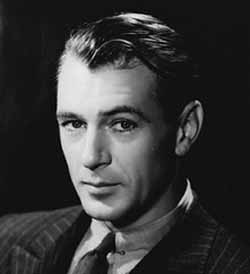
Gary Cooper

FNB shot by Halstan Williams; www.halstan.com

Noir City at the American Cinematheque’s Egyptian Theatre wraps up this weekend with a first-rate slate of films. Tonight is the Dashiell Hammett double feature, starting with the 1931 (pre-code) version of “The Maltese Falcon,” starring Ricardo Cortez and Bebe Daniels, directed by Roy Del Ruth. In “City Streets” (1931, Rouben Mamoulian) a young Gary Cooper goes crooked in order to free his love (Sylvia Sidney) from prison. It should be great looking, given that the cinematographer is Lee Garmes.

The Saturday matinee is the noir classic “The Postman Always Rings Twice” (1946, Tay Garnett), starring Lana Turner as one of the all-time best femmes fatales opposite a smoldering John Garfield; based on James M. Cain’s novel. Before the film, Denise Hamilton, noir novelist and editor of the Edgar-winning Los Angeles Noir short story anthologies, will discuss the genesis of film noir and the cross-pollination between Hollywood and its noir bards.
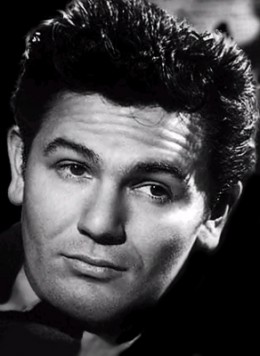
John Garfield
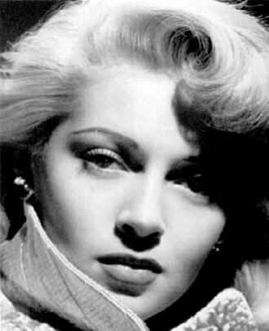
Lana Turner

Saturday night is a terrific pick: two films from the underrated director Jean Negulesco. First, “Three Strangers” (1946) tells the cynical tale of a trio bonded by fate and a winning lottery ticket: Sydney Greenstreet, Peter Lorre and Geraldine Fitzgerald. To read more about this film, I recommend this piece by my friend, writer/producer Barry Grey.

Fitzgerald also stars in 1946’s “Nobody Lives Forever,” scripted by W. R. Burnett. Here, she’s a war widow getting conned by scheming ex-GI John Garfield. There will be a discussion between films with Fitzgerald’s son, Michael Lindsay-Hogg. At 6:30 p.m., in the Egyptian lobby, Lindsay-Hogg will sign his book “Luck and Circumstance: A Coming of Age in Hollywood, New York, and Points Beyond.”
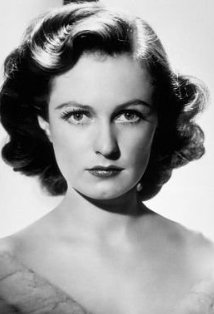
Geraldine Fitzgerald
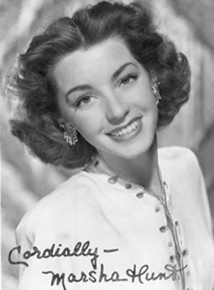
Marsha Hunt

Next up is the Sunday matinee: “Circumstantial Evidence” (1945, John Larkin) a father-son noir starring Lloyd Nolan and Michael O’Shea. This will pair with “Sign of the Ram” (1948, John Sturges).

Says the program: This unusual film was fashioned as a vehicle for star Susan Peters, who plays a sociopathic, paraplegic matriarch bent on destroying her family. Peters, injured the year before in a hunting accident, gives a remarkable performance – all the more haunting for the fact that her paralysis is real. Hitchcock collaborator Charles Bennett wrote the screenplay.

And closing the fest is a special appearance by actress Marsha Hunt. The films shown are an ultra-rare B, “Mary Ryan, Detective” (1949, Abby Berlin), and “Kid Glove Killer” (1942, Fred Zinnemann) in which Hunt plays a police forensics expert juggling a cop (Van Heflin) and a gangster (Lee Bowman). Scripted by John C. Higgins, “Kid Glove Killer” is Zinnemann’s feature film debut. Ava Gardner plays a car hop.

On the radar: a new Marilyn book, Met show, ‘Bernie’ bound

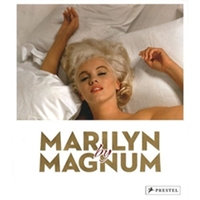
There will surely be much fanfare to mark the 50th anniversary of Marilyn Monroe’s death, Aug. 5, 1962. For starters, there’s a new book, “Marilyn by Magnum” (Prestel Publishing, $29.95). The Magnum photographic cooperative was founded in 1947 by Robert Capa, Henri Cartier-Bresson, George Rodger and David “Chim” Seymour.

In the book, we see the work of Cartier-Bresson, Elliott Erwitt, Eve Arnold, Inge Morath, Philippe Halsman, Bruce Davidson, Dennis Stock, Bob Henriques, Erich Hartmann and others.

The images range from glamorous portraits to intimate candids to Marilyn working on movies. Says Magnum: “In richly toned black and white as well as lustrous color, these photographs reveal Marilyn’s uncanny ease in front of the camera.”

Marilyn Monroe, 1952. By Philippe Halsman; copyright Philippe Halsman/Magnum Photos


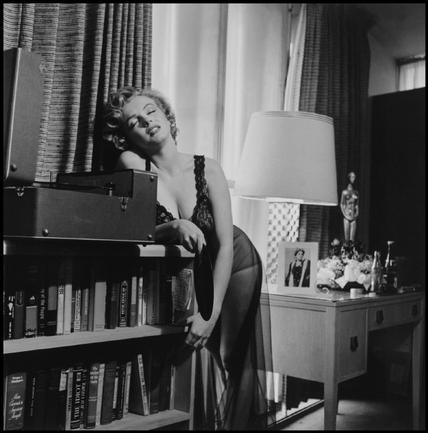
Marilyn in her apartment, 1952. The photo on the desk is of Italian actress Eleonora Duse, whom Marilyn admired. Copyright Philippe Halsman/Magnum Photos

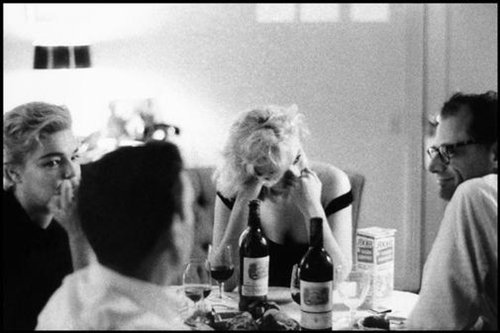
Yves Montand, Simone Signoret, Marilyn Monroe and Arthur Miller in Hollywood, Calif., 1960. Photo by Bruce Davidson; copyright Bruce Davidson/Magnum Photos

Talking shop: The Met’s Spring 2012 Costume Institute exhibition, Schiaparelli and Prada: Impossible Conversations, explores the striking affinities between Elsa Schiaparelli and Miuccia Prada, two Italian designers from different eras. Baz Luhrmann directed videos of simulated conversations between Schiaparelli and Prada.

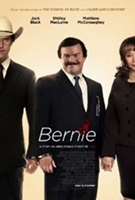
Screenworthy: Richard Linklater’s black comedy “Bernie,” starring Jack Black, Shirley MacLaine and Matthew McConaughey, looks well worth seeing. I missed screenings because of all the festivals in town but am hoping to catch it asap.
Sunnyside Upton: Kate Upton goes retro glam with an Old-Hollywood inspired photo shoot at the Beverly Hills Hotel in this month’s Harper’s Bazaar.
Silver and Ursini reflect on the mighty influence of film noir

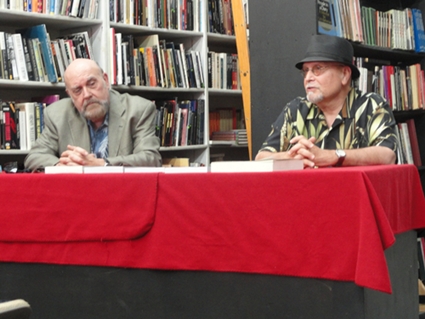
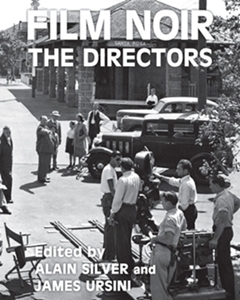
Alain Silver (left) and James Ursini discuss their book, “Film Noir: The Directors.”

Historians/authors/editors Alain Silver and James Ursini discussed and signed their new work, “Film Noir: The Directors” (Limelight Editions, $24.99, multiple contributors) on Saturday afternoon at Larry Edmunds Bookshop in Hollywood.

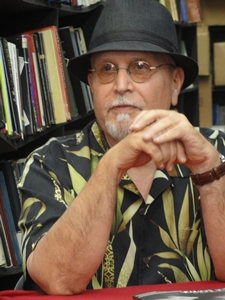
James Ursini

Ursini maintains that film noir is the most important artistic movement Hollywood has produced, and one that’s perfectly capable of jumping genres from Westerns to sci-fi to the traditional women’s picture.

Said Ursini: “Film noir is the overwhelming influence on directors today, in film, TV, comic books … in America and worldwide. Though it went into a sort of remission in the late ’50s, by the ’70s it was back and it never stopped. It’s an incredibly vibrant movement that’s as influential today as it was in the ’40s and ’50s.”

Though appreciated by French critics, most film noir titles (especially low-budget B movies) were widely snubbed by America’s cinematic elite. Ursini recalled that as a UCLA film-school student in the late ’60s, he had to push hard to be allowed to write a paper on director Henry Hathaway.

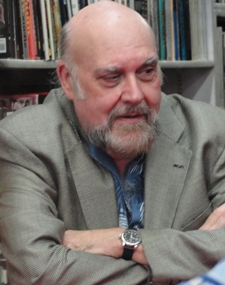
Alain Silver

Silver pointed out that though the two most frequently cited factors in film noir’s development are the exodus of European filmmaking talent to the U.S. starting in the 1930s and the canon of hard-boiled American literature by authors such as James M. Cain, Dashiell Hammett and Raymond Chandler, the real story is more complicated.

Specifically, it’s hard to pinpoint exactly what inspired these very different directors (the book covers 30) to pursue this unique aesthetic, often self-consciously borrowing and sharing ideas. One certainty, though: Billy Wilder’s “Double Indemnity” (1944) was the prototype for the genre.

He added that because of World War II, the production code loosened and the American public developed a taste for realism. Were audiences of the ’40s and ’50s shocked by these cynical, gritty, fateful stories on the screen? It’s hard to say. Silver said the most interesting contextual endeavor now would be to compare the audiences’ expectations against their reactions.

Photos copyright of Film Noir Blonde

Non-stop film noir on the big screen in Los Angeles

The enduring appeal of film noir shows no signs of waning – there are scads of noir screenings in and around LA over the next several weeks.

Noir City Hollywood continues at the Egyptian Theatre through May 6. Tonight, actress Julie Adams will talk with Alan K. Rode between the films 1957’s “Slaughter on Tenth Avenue” (in which Adams co-stars with Richard Egan, Jan Sterling, Dan Duryea, Walter Matthau and Charles McGraw) and “Edge of the City” (1957).

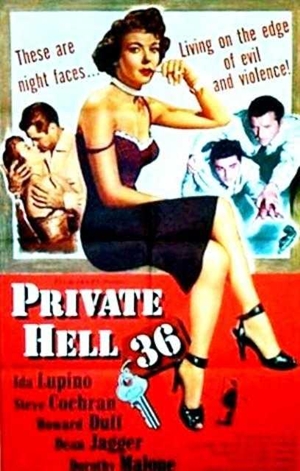
And a must-see for me: Ida Lupino in “Private Hell 36” (1954) by director Don Siegel. Lupino also co-wrote this flick, which runs on Wednesday, May 2, after “Shield for Murder” (1954), co-directed by Howard Koch and star Edmond O’Brien.

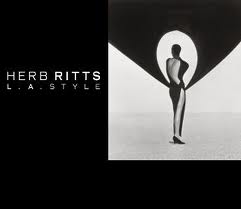
In conjunction with the Herb Ritts: L.A. Style exhibition, running through Aug. 26 at the Getty Museum, a companion (free!) film series starts today. Ritts (1952–2002) was a top 1980s photographer and his preference for outdoor locations such as the desert and the beach helped to distinguish his work from his New York-based peers.

Admittedly, “Gilda” is the only true noir on the roster, but Ritts’ work taps retro Hollywood glamour. As the Getty puts it: “Ritts’ relationship with his subjects echoes certain director-actor relationships dating from the silent era and the eight films in this series showcase this special relationship.”

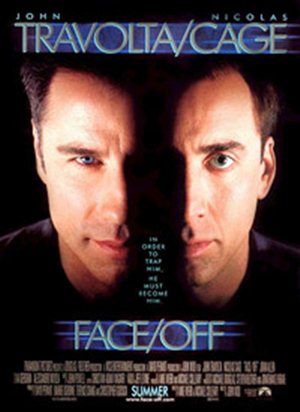
On Friday, May 4, the New Beverly Cinema is showing John Frankenheimer’s sci-fi neo-noir from 1966 “Seconds,” which stars Rock Hudson; cinematography by James Wong Howe. “Seconds” is paired with 1997’s “Face/Off” by director John Woo starring John Travolta, Nicolas Cage, Joan Allen, Dominique Swain and Nick Cassavetes. Screenwriters Mike Werb and Michael Colleary are scheduled to appear in person.

Also worth a watch: Universal Pictures celebrates its centennial with a series of screenings (“The Black Cat” and “The Birds” caught my eye) at UCLA’s Billy Wilder Theater in Westwood from May 4 to June 24.

You’ll certainly get a full-on noir lineup at the 12th annual Arthur Lyons Film Noir Festival, which runs in Palm Springs from May 10-13.

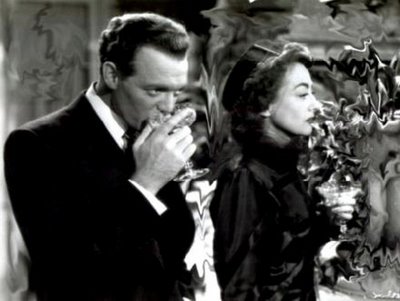
Van Heflin and Joan Crawford star in “Possessed” from 1947.

Festival programmer and film historian Alan K. Rode has selected a great lineup, including Fritz Lang’s “The Big Heat” (1953), starring Glenn Ford, and “Possessed” (1947) by Curtis Bernhardt.

Ford’s son Peter will attend “The Big Heat” screening. “Possessed” earned Joan Crawford her second Oscar nom (she won for 1945’s “Mildred Pierce”); co-starring are Van Heflin, Raymond Massey and Geraldine Brooks.

Other titles, screened from new 35 mm prints, include: “Shield for Murder” (1954), “I Love Trouble” (1948), “Slaughter on Tenth Avenue” (1957) and “The Face Behind the Mask” (1941), starring Peter Lorre.

I’m also very much looking forward to The Sun Sets in the West: Mid-Century California Noir at the Los Angeles County Museum of Art (LACMA), from May 18-26.

Says LACMA: “Experience the dark side of modern living with this series of mid-century film noirs. Shot on location and set amid the bustle of major cities such as Los Angeles and San Francisco – as well as their sun-soaked periphery, beach cities, and desert oases – these 10 films inject the Golden State’s benign climate with a heady dose of postwar angst.”

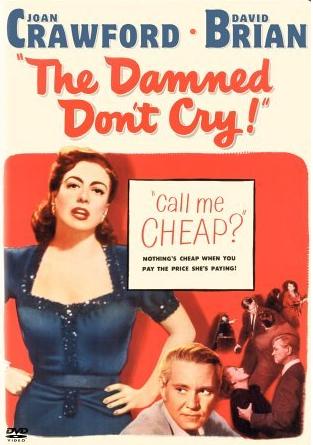
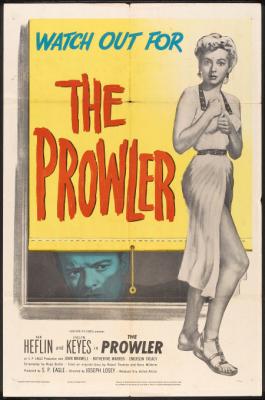
The titles in the series are: “Kiss Me Deadly” (1955, by director Robert Aldrich); “The Crimson Kimono” (1959, Sam Fuller) “Experiment in Terror (1962, Blake Edwards); “Criss Cross” (1949, Robert Siodmak); “M” (1951, Joseph Losey); “The Damned Don’t Cry” (1950, Vincent Sherman); “Slightly Scarlet” (1956, Allan Dwan); “Murder by Contract” (1958, Irving Lerner); “Nightfall” (1957, Jacques Tourneur) and “The Prowler” (1951, Joseph Losey).

The one and only Bogart

Additionally, UCLA’s Film & Television Archive and the Million Dollar Theater are presenting three interesting double bills in downtown Los Angeles:

Brian De Palma in the 1970s (“Sisters,” his first Hitchcockian thriller, and “Phantom of the Paradise”) on Wednesday, May 2.

“The hunted and the hunter” film-noir night, featuring “Mickey One” (1965, Arthur Penn) and “Blast of Silence (1961, Allen Baron) on Wednesday, May 16.

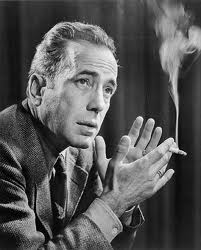
Nicholas Ray directs Humphrey Bogart in “Knock on Any Door” (1949) and “In a Lonely Place” (1950) on Wednesday, May 23.

Book these dates with noir authors in Hollywood

5 p.m. Saturday, April 28, at Larry Edmunds Bookshop, 6644 Hollywood Blvd.
Noir historians Alain Silver and James Ursini will discuss and sign their book “Film Noir: The Directors” (Limelight Editions, $24.99).

A number of authors have contributed to this work and there are chapters on: Robert Aldrich, John Brahm, Jules Dassin, André de Toth, Edward Dmytryk, John Farrow, Felix Feist, Sam Fuller, Henry Hathaway, Alfred Hitchcock, John Huston, Fritz Lang, Joseph H. Lewis, Joseph Losey, Ida Lupino, Anthony Mann, Max Ophuls, Gerd Oswald, Otto Preminger, Nicholas Ray, Don Siegel, Robert Siodmak, Jacques Tourneur, Edgar G. Ulmer, Raoul Walsh, Orson Welles, Billy Wilder and Robert Wise. The book also features more than 500 photographs.

Given the inclusion of Ophuls (“Letter from an Unknown Woman”), it seems really odd that Howard Hawks, Richard Fleischer and Stanley Kubrick were excluded. That’s one for the Q&A with the authors.

6:30 p.m. Saturday, April 28, at the Egyptian Theatre, 6712 Hollywood Blvd.
Actress Julie Adams who will sign “Reflections from the Black Lagoon” (Hollywood Adventures, $29.95) in the lobby prior to that evening’s Noir City Hollywood double bill of “Slaughter on Tenth Avenue” (in which she stars) and “Edge of the City.” There will be a Q&A with Adams, 85, between the films.

6 -11 p.m. Monday, April 30, at Musso & Frank Grill, 6667 Hollywood Blvd.
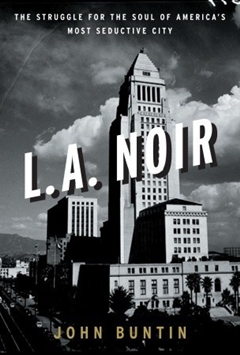
The Los Angeles Visionaries Association and Esotouric Tours are hosting a literary salon featuring author John Buntin and his 2009 book, “L.A. Noir: The Struggle for the Soul of America’s Most Seductive City” (Price varies by format, starting at about $10).

Buntin’s book interweaves two stories, that of gangster Mickey Cohen and police chief William Parker. Tickets to the salon are $100 and include a three-course meal. TNT is developing a new series based on this book.

Additionally, I just got my review copy of “Mickey Cohen: The Life and Crimes of L.A.’s Most Notorious Mobster” by Tere Tereba (ECW Press, $16.95). Looking forward to reading this and interviewing the author.

Neo noir snags top award from COL•COA French film fest

The City of Lights City of Angels (COL•COA) 16th annual French film festival on Monday announced its winners. Nearly 19,000 attended the week-long fest at the Directors Guild of America in Hollywood.

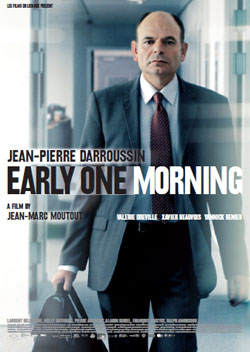
I was pleased to see that one of the noir titles, “Early One Morning” (De bon matin) garnered the Critics Award from the Los Angeles Film Critics Association; Christy Lemire of the Associated Press served as president of the jury. Starring Jean-Pierre Darroussin, “Early One Morning” was directed by Jean-Marc Moutout.

“Paris by Night” (Une nuit) and “A Gang Story” (“Les Lyonnais”) completed the film-noir series on Friday night. There were many terrific films shown at the fest; other movies with noir elements included: “38 Witnesses,” “Guilty,” “Americano,” “Polisse” and “The Minister.” And it was a treat to see Marcel Carné’s “Hotel Du Nord” – a masterpiece of Poetic Realism and an important precursor of film noir.

The rest of the award winners (for feature films) were:

The Critics Special Prize and the COL•COA Audience Award went to “The Intouchables,” written and directed by Olivier Nakache and Eric Toledano. Starring François Cluzet and Omar Sy, this buddy-movie comedy will be released in the U.S. on May 25.

Critics Special Mention for “Polisse,” written by Maïwenn and Emmanuelle Bercot; directed by Maïwenn. This opens in the U.S. on May 18.

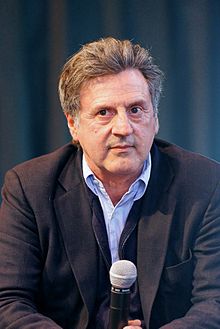
Daniel Auteuil's breakthrough role was in “Jean de Florette” and its sequel “Manon des Sources,” both from 1986.

The First Feature Award went to “The Adopted,” written by Mélanie Laurent, Morgan Perez and Chris Deslandes; directed by Mélanie Laurent.

The Audience Special Prize went to the documentary “Leadersheep,” written and directed by Christian Rouaud.

“The Well Digger’s Daughter,” written and directed by Daniel Auteuil based on Marcel Pagnol’s original work, won the Audience Special Mention. This film opens in the U.S. on July 20.

Stay tuned for reviews of COL•COA films!

Grahame, Hayden, Sinatra: Highlights of Noir City Hollywood

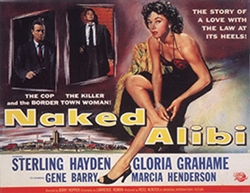
I finally got to see Gloria Grahame vamping it up in “Naked Alibi” (1954) on Saturday night at the American Cinematheque’s Noir City Hollywood film fest, now in its 14th year. Grahame is one of my fave femme fatales and this film is hard to find, let alone see on the big screen – the new 35 mm print was introduced by fest organizers and noir experts Eddie Muller and Alan K. Rode.

Gloria Grahame in “Naked Alibi”

Co-starring Gene Barry as Grahame’s gangster boyfriend and Sterling Hayden as a vigilante cop, “Naked” certainly has a great cast and a great name. Unfortunately, though, Jerry Hopper is not a great or even a good director. This film reminds of me Grahame playing similar roles in far better movies (“The Big Heat,” “Human Desire,” “In a Lonely Place,” “Sudden Fear”). Still, I always have a good time watching this ultimate good-time girl.

As part of a tribute night to Hayden, “Naked” was paired with 1954’s “Suddenly,” in which Hayden plays a sheriff opposite Frank Sinatra as a psycho leading a plot to assassinate the president. Directed by Lewis Allen and written by Richard Sale, “Suddenly” has been hard to see until now because Sinatra did his best to buy all copies of this film after John F. Kennedy’s death. This digital restoration by Lobster Films featured crisp contrast, though there were many patches of white that looked iridescent. (Apparently, this was a problem with the projection, not the print.) It’s interesting as a B-movie rarity with Hayden letting a malevolent Sinatra steal the show.

The fest continues through May 6 at the Egyptian Theatre in Hollywood.

TCM Classic Film Festival 2012 draws stars and fans

From Thursday night’s world premiere of the newly restored “Cabaret” to the closing-night screening of “Annie Hall” on Sunday, the TCM Classic Film Festival in Hollywood was packed with stars, fans, media and movie experts. “Cabaret,” which celebrates its 40th anniversary this year, opened the fest. The red-carpet event at Grauman’s Chinese Theatre drew stars Liza Minnelli, Joel Grey and Michael York.

Other luminaries included: Kim Novak, Bob Mackie, Debbie Reynolds, Norman Jewison, Rhonda Fleming, Peggy Cummins, Marsha Hunt, Rose McGowan, Richard Anderson, Thelma Schoonmaker, Robert Evans, Robert Towne, Robert Wagner, Kirk Douglas, Stanley Donen, Tippi Hedren, Angie Dickinson, Tina Sinatra, Tony Roberts and Walter Mirisch.

And fittingly, since the fest’s theme was style, there were film noir screenings as well as events devoted to both noir and fashion. The Film Noir Foundation’s Eddie Muller programmed the classic noir offerings, Shannon Clute and Richard Edwards of noircast.net led a panel discussion and author Foster Hirsch was on hand to interview Walter Mirisch, whose first foray into producing was 1947’s “Fall Guy” by director Reginald Le Borg.

I’m still recovering from so much delightful viewing, but here are a few photo highlights, courtesy of the fest.

All images courtesy of TCM Classic Film Festival/photographers Jason Merritt, Edward M. Pio Roda, Mark Hill and Adam Rose.

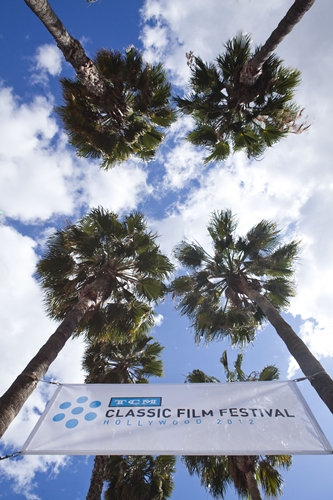
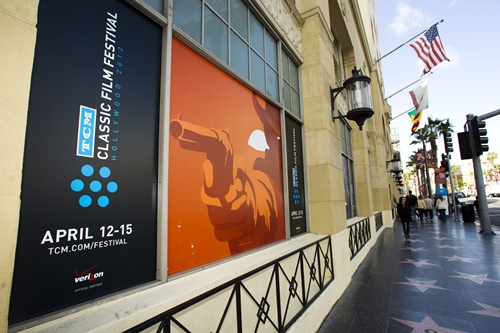
A festival poster at the Roosevelt Hotel, HQ for the event.

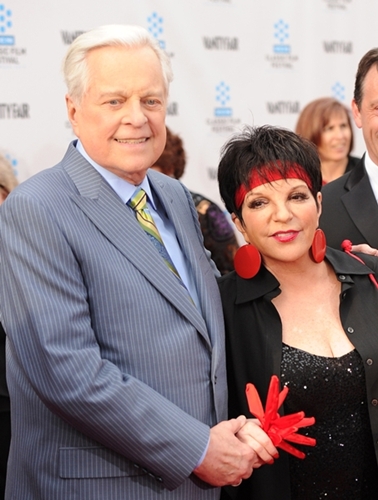
Bob Osborne and Liza Minnelli

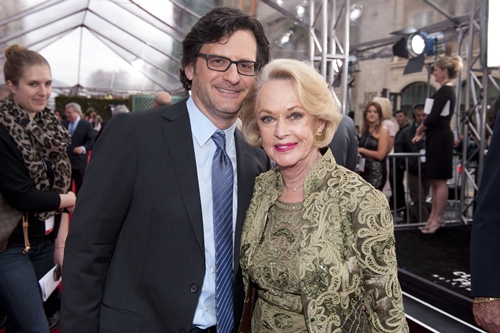
Ben Mankiewicz and Tippi Hedren

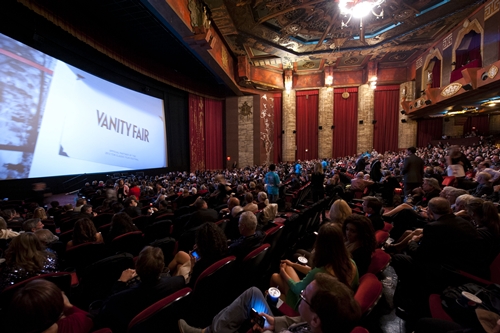
Inside Grauman's Chinese Theatre

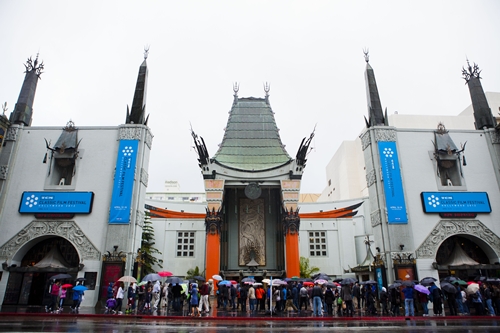
Fans lined up in the rain to see movies at Grauman's.

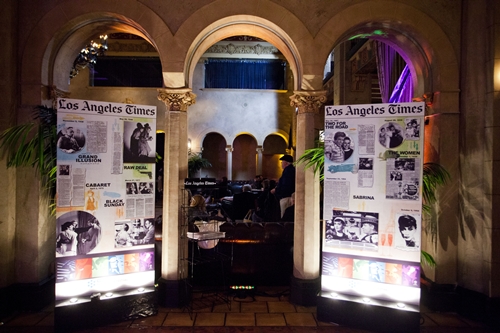
A festival display inside the Roosevelt

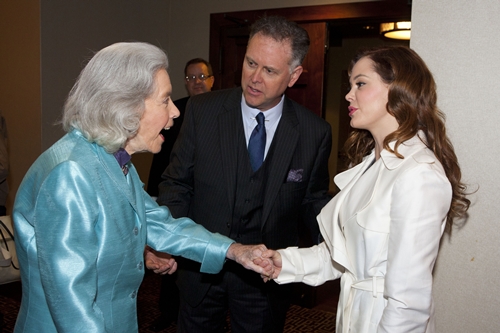
Noir star Marsha Hunt, Eddie Muller and Rose McGowan

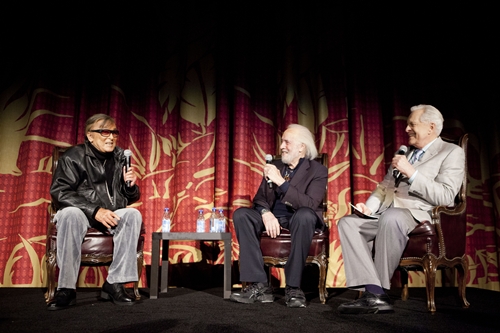
From left: Robert Evans, Robert Towne and Robert Osborne before the "Chinatown" screening.

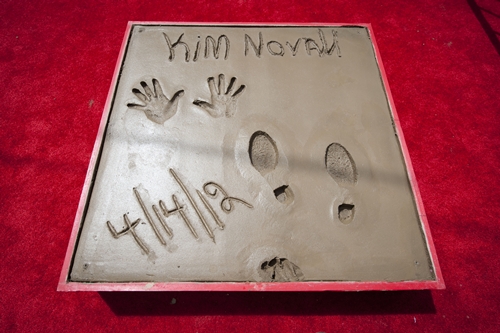
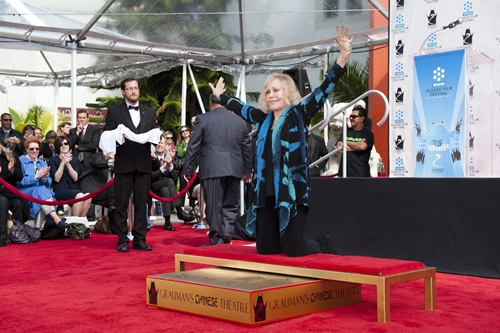
Kim Novak made her mark at Grauman's.

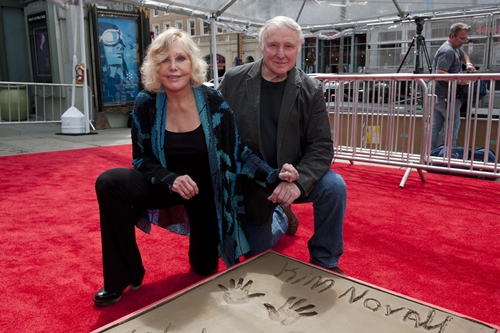
Kim Novak and her husband

Fresh prints by Kim Novak

Hollywood Boulevard's Walk of Fame

TCM Classic Film Festival starts today

I am off to the TCM Classic Film Festival, running through Sunday in Hollywood, where I will be packing in as many movies, photo opps and events as I can.

I will be updating on twitter. Bye for now!

Film noir screenings galore this month in Los Angeles

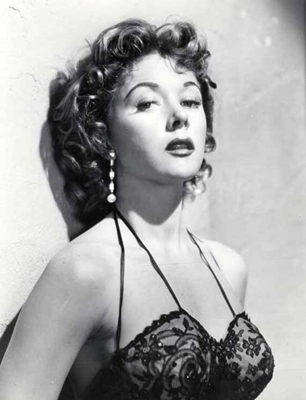
A new photo for FNB! By Halstan Williams, www.halstan.com

So looking forward to the dark this month! There are three great fests taking place in April.

“Criss Cross” is the first of many excellent film noir titles at the third annual TCM Classic Film Festival, which this year is celebrating style in the movies, from fashion to architecture and everything in between.

The festival runs Thursday through Sunday. “Criss Cross” screens at 10 p.m. Thursday and the Film Noir Foundation’s czar of noir Eddie Muller will introduce the film.

Other noirs include: “Raw Deal,” “Cry Danger,” “Vertigo,” “Chinatown,” “Fall Guy,” “Night and the City,” “Gun Crazy,” “Marathon Man,” “Seconds,” “To Catch a Thief” and “Black Sunday.”

Kim Novak is one of many Hollywood greats to attend the fest; check out the schedule for more info on events, interviews and discussions. (For a little comic relief from full-on noir fare, the always-entertaining Michael Schlesinger will introduce 1942’s “Who Done It,” in which Bud Abbott and Lou Costello play a pair of would-be writers posing as detectives.)

Starting Monday, April 16, is the 16th annual City of Lights City of Angels (COL•COA) film festival, which presents 34 French features and 21 shorts. Opening the fest is the North American premiere of “My Way” (“CloClo”), a biopic about French pop star Claude François. Directed by Florent-Emilio Siri, the film stars Jérémie Renier.

Closing the fest on Sunday, April 22, is a comedy called “The Intouchables,” by writer/directors Olivier Nakache and Eric Toledano. Starring François Cluzet and Omar Sy, “The Intouchables” is the third highest grossing film of all time in France.

Other titles of particular interest include: “Michel Petrucciani,” “38 Witnesses,” “Guilty,” “A Trip to the Moon”/“The Extraordinary Voyage,” “Step Up to the Plate,” “The Art of Love,” “Another Woman’s Life,” “Le Skylab,” “Call Me Savage,” Paris By Night,” “A Gang Story,” “Early One Morning,” “Hotel du Nord, “Americano, “Polisse” and “The Minister.”

Paris By Night,” “A Gang Story” and “Early One Morning are part of COL•COA’s film-noir series on Friday, April 20.

Femme fatale Gloria Grahame stars with Sterling Hayden in 1954’s “Naked Alibi,” the first film in the Hayden tribute. The second: “Suddenly,” 1954.

Friday, April 20, is also the opening night of Noir City: Hollywood, the 14th annual festival of film noir at the Egyptian Theatre, presented in collaboration with the Film Noir Foundation.

Opening night is an Alan Ladd double feature: “The Great Gatsby” and “This Gun for Hire.” The foundation’s Eddie Muller and fellow noir expert Alan K. Rode will introduce the movie.

The stellar lineup includes many rare films, several of which are not on DVD:

“Naked Alibi”/“Suddenly”
“Phantom Lady”/“Black Angel”/“The Window”
“T-Men”/“Strange Impersonation”
“Caged”/“Big House USA”
“Scene of the Crime”/“Reign of Terror”
“Slaughter on Tenth Avenue”/“Edge of the City”
“Johnny O’Clock/“Johnny Allegro”
“Shield for Murder”/“Private Hell 36”
“Okay, America”/“Afraid to Talk”
“The Maltese Falcon”/“City Streets”
“The Postman Always Rings Twice”
“Three Strangers”/“Nobody Lives Forever”
“Circumstantial Evidence”/“Sign of the Ram”
“Mary Ryan, Detective”/“Kid Glove Killer”

See you in the dark!