Hitch’s second U.S. film sets the bar for the rest of his career

“Foreign Correspondent” (1940) was recently released on Blu-ray/DVD (dual edition) by Criterion.

By Michael Wilmington
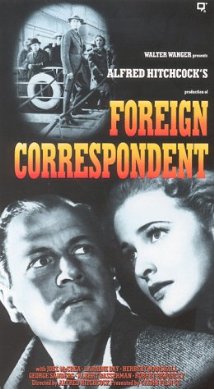
Foreign Corr posterAlfred Hitchcock started his American filmmaking career with a bang, directing a Best Picture Oscar winner and an inarguable classic: his 1940 David O. Selznick-produced film of Daphne du Maurier’s immensely popular Gothic romantic novel “Rebecca.” Though he was under the control of Selznick at his zenith (the year after “Gone With the Wind”), Hitch executed the assignment with near-flawless skill  and panache.

He beautifully dramatizes du Maurier’s romantic tale of a naïve young wife (Joan Fontaine) taken to a mansion by her wealthy new husband (Laurence Olivier), who may have murdered his haunting first wife, Rebecca.

But “Rebecca” wasn’t Hitch’s only 1940 film. Nor is it the one that some Hitchcock critics (and maybe even Hitchcock himself) consider the inarguable classic. Shortly after completing “Rebecca,” and freeing himself from the fealty Selznick felt was owed to du Maurier’s novel, Hitchcock made a second American movie.

This new work was a continuation of the style and technique of the delightfully frightening suspense thrillers he’d made in England in the ’30s: notably “The 39 Steps,” “The Man Who Knew Too Much” and “The Lady Vanishes.”

That second Hitchcock movie was “Foreign Correspondent,” produced by Walter Wanger: a top-notch melodrama of international intrigue and nail-biting suspense that was set in the early days of World War II. Starring the sturdily all-American guy Joel McCrea (Hitch had wanted Gary Cooper) and love interest Laraine Day (Hitch had wanted Fontaine), it was a movie that unabashedly called  for the U.S. to enter the war against Germany, on the side of Hitchcock’s beleaguered homeland Great Britain.

That’s the conclusion McCrea’s pugnacious but immensely likable reporter Johnny Jones (pen name: Huntley Haverstock) reaches after being sent overseas as The New York Globe’s foreign correspondent and witnessing Germany’s murderous espionage and sabotage. As bodies and evidence accumulate, Johnny/Haverstock chases down a Nazi spy ring in England and Holland.

In company with Johnny: the head of an ambiguous peace organization (Herbert Marshall), his beauteous daughter (Day), a suave and plucky British fellow reporter (George Sanders), a kidnapped Dutch diplomat (Albert Bassermann), and assorted spies, officials, killers and bystanders (Edmund Gwenn, Robert Benchley, Eduardo Ciannelli and others). They race from one hair-raising Hitchcockian set-piece to the next; finally culminating in a plane crash, with McCrea and others in the cockpit.

It’s the sort of  convulsively paced, thoroughly engrossing and purely entertaining tale Hitchcock loved to make, with an audience-pleasing flair and imagination that would have been entirely out of place in a faithful classic adaptation like “Rebecca.” But “Foreign Correspondent” was a clear precursor of Hitchcock’s later career and also of the James Bond spy thrillers of the ’60s and beyond, which were partly inspired by his work.

Selznick would not allow Hitchcock to change any of “Rebecca” (except for his habitual joke-cameo appearance). While Selznick has probably been proven right by the film’s 1940 Oscars and continued classic status, “Foreign Correspondent” (which was nominated for six Oscars), has also been validated as the more truly Hitchcockian movie.

It’s full of virtuoso set-pieces, like the windmills that are turning against the wind, the climactic plane crash, the famed umbrella-knocking assassination scene, and other logic-defying moments inserted in defiance of the critics and carpers whom The Master of Suspense dismissively called “The Plausibles.”
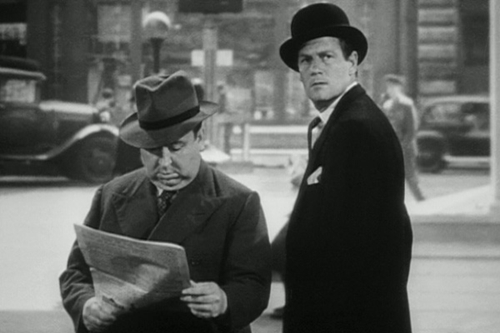
Hitch makes his cameo in "Foreign Correspondent."

Hitch makes his cameo in “Foreign Correspondent.”

“Foreign Correspondent” was scripted by Hitchcock’s regular collaborators Charles Bennett and Joan Harrison, with dialogue by James Hilton (the novelist who wrote “Goodbye Mr. Chips”) and the Algonquin Round Table’s resident wit Robert Benchley (who also appears in the cast as a fellow reporter). The source was an actual foreign correspondent’s memoir, “Personal History” by Vincent Sheean.

One of the uncredited writers on “Foreign Correspondent” was Richard Maibaum, who was later the main Bond series screenwriter. Besides Maibaum, the remarkable gallery of uncredited writers on the project includes Ben Hecht, Harold Clurman, John Howard Lawson, John Lee Mahin and Budd Schulberg, or almost everyone in Hollywood, it seems, but William Faulkner and F. Scott Fitzgerald.

Of course, there was the script-shaping genius of Hitchcock himself (and of his wife Alma): Hitchcock, who of all non-actor movie directors, is perhaps the most visibly present in his films. We sense him in and behind nearly every shot.

But he’s more present in “Foreign Correspondent” than in “Rebecca.” Freed for the moment from Selznick (they would make two more pictures together), Hitch charts the major direction he would follow right up to the end of his career: the ingenious set-pieces, the games with the audience, the personal touches and brilliant identification devices.

He also produced a film proselytizing for America’s entrance into the war with the Allies and against the Nazi juggernaut that was admired as propaganda by no less an expert than Joseph Goebbels himself.

Criterion’s extras include a 1972 interview with Hitchcock by Dick Cavett and a 1946 radio adaptation of “Foreign Correspondent” with Joseph Cotten.

The Film Noir File: Say hello to Chandler’s sizzling ‘Farewell’

By Film Noir Blonde and Mike Wilmington

The Film Noir File is FNB’s guide to classic film noir, neo-noir and pre-noir noir from the schedule of Turner Classic Movies (TCM), which broadcasts them uncut and uninterrupted. The times are Eastern Standard and (Pacific Standard).

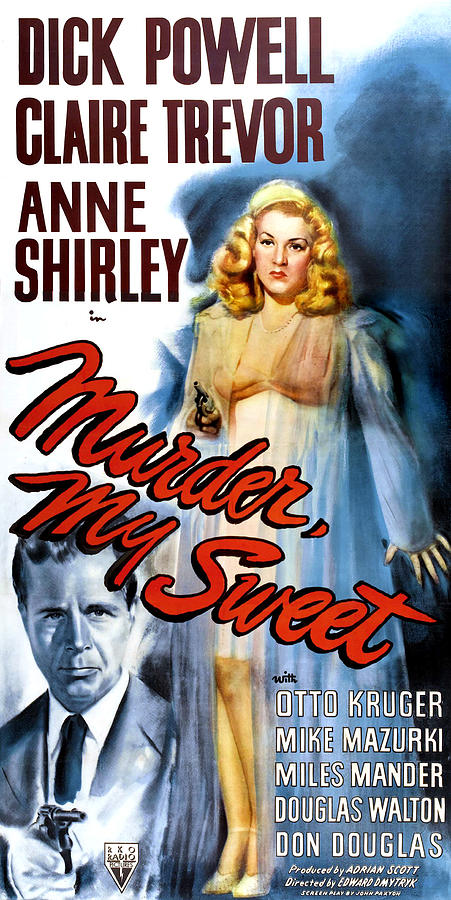
Murder My Sweet posterPick of the Week

Murder, My Sweet” (1944, Edward Dmytryk). 12:15 p.m. (9:15 a.m.); Monday, March 24. You can read the full review here.

Friday, March 21

12:15 a.m. (9:15 p.m.): “The Loved One” (1965, Tony Richardson). With Robert Morse, Rod Steiger, Jonathan Winters and John Gielgud. Reviewed in FNB on Dec. 16, 2013.

2:30 a.m. (11:30 p.m.): “Cool Hand Luke” (1967, Stuart Rosenberg). One of Paul Newman’s best-liked roles and movies came when he played the lovable convict-rebel Luke, in this tough, brash, jocular comedy-drama of life on a Southern chain gang – and how to make it more livable by staging egg-eating contests, standing up to the Man and breaking loose.

George Kennedy won an Oscar as Luke’s jail mate tormentor-turned-sidekick Dragline, and Strother Martin won immortality in the Memorable Lines Dept. as the weaselly prison boss who lectures the convicts about “failure t’ communicate.”

Newman himself makes one of the toniest, best-looking chain gang convicts ever. His Luke could probably walk into a cotillion ball in his prison duds and walk out with any woman in the place. Based on a novel by chain gang vet Donn Pearce, the movie has a terrific supporting cast, including Dennis Hopper, Joe Don Baker, Harry Dean Stanton, and, as Luke’s dying old mother, Jo Van Fleet.

Sunday, March 23

6 a.m. (3 a.m.): “Lady in the Lake” (1947, Robert Montgomery). With Montgomery, Audrey Totter Lloyd Nolan and Leon Ames. Reviewed in FNB on Dec. 3, 2012.

10 p.m. (7 p.m.): “Notorious” (1946, Alfred Hitchcock). With Ingrid Bergman, Cary Grant, Claude Rains and Louis Calhern. Reviewed in FNB on Feb. 12, 2013 and on Feb. 20, 2012.

2 a.m. (11 p.m.): “Fists in the Pocket” (1965, Marco Bellocchio). Italian writer-director Marco Bellocchio burst on the international film scene in 1965 with this savage, dark-hued look at a psychopathic young epileptic (Lou Castel) who embarks on a murderous campaign against his own family. The subject matter of this classic noir seethes with evil and frenzy, but Bellocchio’s treatment is cool and brilliantly controlled. Castel makes a memorable mad killer. (In Italian, with English subtitles.)

Dick Powell was a song-and-dance man before this flick.

Dick Powell (center) was a song-and-dance man before he starred in “Murder, My Sweet,” a seminal film noir.

Monday, March 24

12:15 p.m. (9:15 a.m.): “Murder. My Sweet” (1944, Edward Dmytryk). See Pick of the Week.

2 p.m. (11 a.m.): “To Have and Have Not” (1944, Howard Hawks). With Humphrey Bogart, Lauren Bacall, Walter Brennan and Marcel Dalio. Reviewed in FNB on July 21, 2012.

Noir City returns; program includes French, British, Italian films

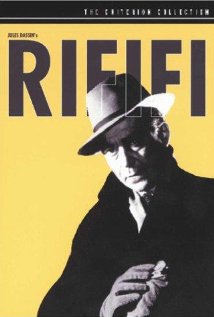
Rififi posterIt’s almost time to take one of our favorite trips of the year: A one-way ticket to Noir City at the Egyptian Theatre in Hollywood!

Starting Friday, the American Cinematheque and the Film Noir Foundation will present their 16th annual festival of film noir. Jaded gumshoes, femmes fatale and menacing heavies will reign supreme in gloriously gritty black and white. The fest runs through April 6, with a stand-out celebration on April 5.

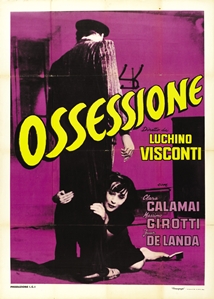
We at FNB are especially excited to see the fest expand to include film noir from abroad with evenings devoted to French (“Two Men in Manhattan,” “Rififi,” “Jenny Lamour), British (“It Always Rains on Sunday,” “Brighton Rock”) and Italian (“Ossessione”) noir.

Ossessione posterThe program pays tribute to a trio of talented actresses who died in 2013 with noir nights devoted to Joan Fontaine (“Born to Be Bad”, “Ivy”), Eleanor Parker (“Caged,” “Detective Story”) and Audrey Totter (“Tension,” “Alias Nick Beal”).

Actor Dan Duryea will be honored on opening night, March 21, with this enticing double feature: “Too Late for Tears” (a new 35mm restoration) and “Larceny.” Also to be honored (on other nights): writer David Goodis and director Hugo Fregonese.

Be sure to join FNF co-directors Eddie Muller and Alan K. Rode as they host another exciting excursion into the dark recesses of Hollywood’s most lasting artistic movement, film noir.

The Film Noir File: Huston helms, Bogarts stars in ‘Falcon’ et al

By Film Noir Blonde and Mike Wilmington

The Film Noir File is FNB’s guide to classic film noir, neo-noir and pre-noir from the schedule of Turner Classic Movies (TCM), which broadcasts them uncut and uninterrupted. The times are Eastern Standard and (Pacific Standard).

Pick of the Week

Maltese-Falcon-poster[1]

The Maltese Falcon
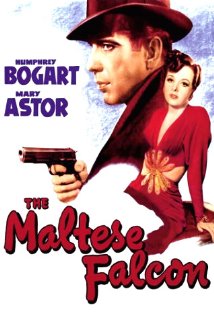
(1941, John Huston). 8 p.m. (5 p.m.); Wednesday, March 12. With Humphrey Bogart, Mary Astor, Sydney Greenstreet, Peter Lorre and Elisha Cook, Jr. See previous post for the review.

Wednesday, March 12

8 p.m. (5 p.m.): “The Maltese Falcon” (1941, John Huston). See review in previous post.

10 p.m. (7 p.m.): “Across the Pacific” (1942, John Huston). With Bogart, Astor and Greenstreet. Reviewed in FNB on June 6, 2012.

Friday, March 14

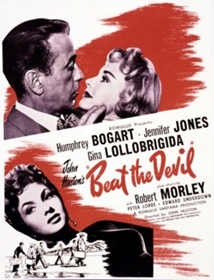
10:45 a.m. (7:45 a.m.): “Beat the Devil” (1953, John Huston). Humphrey Bogart and John Huston’s last movie together was a commercial failure but a triumph of silliness, satire and pseudo-noir. Bogart stars as the sly, grinning kingpin of a group of uranium-mine swindlers that includes Robert Morley, Peter Lorre and Italian bombshell Gina Lollobrigida. Jennifer Jones and Edward Underdown are two naïve British vacationers who fall guilelessly into their hands.

Beat the Devil posterBased on a novel by Claud Cockburn, the film, a cult movie if there ever was one, was adapted with tongue completely in cheek, by Truman Capote, who wrote (or rewrote) it on location in Italy. Apparently, Capote got the script done each day with barely enough time for the actors to learn their lines. (They have fun with them anyway.) The settings on the Italian coast, in prime tourist territory, are gorgeous — as are bad girl Lollobrigida and good girl Jones. The cast look as if they‘re not quite sure what’s going on but are having an absolutely marvelous time. As will you.

4 a.m. (1 a.m.): “The Public Enemy” (1931, William Wellman). With James Cagney, Jean Harlow and Mae Clarke. Reviewed in FNB on Aug. 10, 2012.

Saturday, March 15

8 p.m. (5 p.m.): “The Sugarland Express” (1974, Steven Spielberg). With Goldie Hawn, Ben Johnson and William Atherton. Reviewed in FNB on Nov. 23, 2013.

Sunday, March 16

6 p.m. (3 p.m.): “After the Thin Man” (1936, W. S. Van Dyke). With William Powell, Myrna Loy and James Stewart. Reviewed in FNB on June 6, 2013.

Monday, March 17

8 p.m. (5 p.m.): “The Outfit” (1973, John Flynn). With Robert Duvall, Karen Black and Robert Ryan. Reviewed in FNB on May 22, 2013.

There’s only one ‘Maltese Falcon’ and this is it

The Maltese Falcon/1941/Warner Bros./100 min.

Maltese Falcon poster“The Maltese Falcon,” a spectacularly entertaining and iconic crime film, holds the claim to many firsts.

It’s a remarkable directorial debut by John Huston, who also wrote the screenplay. It’s considered by many critics to be the first film noir. (Another contender is “Stranger on the Third Floor” see below.) It was the first vehicle in which screen legend Humphrey Bogart and character actor Elisha Cook Jr. appeared together – breathing life into archetypal roles that filled the noir landscape for decades to come.

It was veteran stage actor Sydney Greenstreet’s first time before a camera and the first time he worked with Peter Lorre. The pair would go on to make eight more movies together. Additionally, “Falcon,” an entry on many lists of the greatest movies ever made, was one of the first films admitted to the National Film Registry in its inaugural year, 1989.

Based on a novel by Dashiell Hammett, Huston’s “Falcon” is the third big-screen version of the story (others were in 1931 and 1936) and it’s by far the best. Huston follows Hammett’s work to the letter, preserving the novel’s crisp, quick dialogue. If a crime movie can be described as jaunty, this would be it. Huston’s mighty achievement earned Oscar noms for best adapted screenplay, best supporting actor (Greenstreet) and best picture.

According to former New York Times film critic Bosley Crowther: “The trick which Mr. Huston has pulled is a combination of American ruggedness with the suavity of the English crime school – a blend of mind and muscle – plus a slight touch of pathos.”

A few more of Huston’s tricks include striking compositions and camera movement, breathtaking chiaroscuro lighting, and a pins-and-needles atmosphere of excitement and danger. (Arthur Edeson was the cinematographer; Thomas Richards served as film editor.)

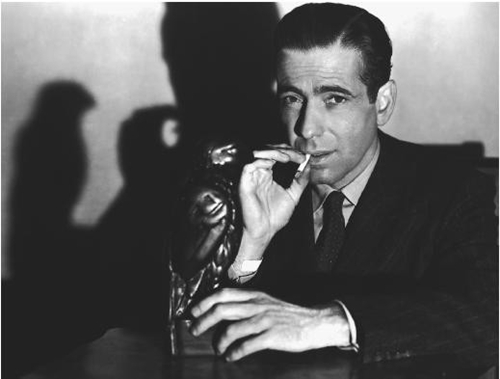
For the few who haven’t seen “Falcon,” it’s a tale of ruthless greed and relentless machismo centered around the perfect marriage of actor and character: Humphrey Bogart as private detective Sam Spade – the ultimate cynical, streetwise, I-did-it-my-way ’40s alpha-male. As famed noir author Raymond Chandler once put it: “All Bogart has to do to dominate a scene is to enter it.” Bogart appears in just about every scene in “Falcon.”

As Raymond Chandler  put it: “All Bogart has to do to dominate a scene is to enter it.”

As Raymond Chandler put it: “All Bogart has to do to dominate a scene is to enter it.”

As Spade, he sees through the malarkey, cuts to the chase and commands every situation, even when the odds are stacked against him. At one point he breaks free of a heavy, disarms him and points the guy’s own gun at him, all while toking on his cig. He’s equally adept at using wisecracks and one-liners to swat away the cops, who regularly show up at his door.

Mary Astor plays leading lady Brigid O’Shaughnessy to Bogart’s Sam Spade and it is she who sets the story in motion when she walks into Spade’s San Francisco office. Brigid asks Spade and his partner Miles Archer (Jerome Cowan) to trail a man named Thursby who, she says, is up to no good with her sister. They accept the job and Archer takes the first shift of following Thursby. Next morning, Archer’s dead. Turns out that Brigid doesn’t have a sister and Archer’s widow (Gladys George) has the hots for Spade.

Spade’s ultra-reliable and resourceful secretary, Effie (Lee Patrick) is the one gal he can trust and it’s clear she means the world to him. At one point he tells her, “you’re a good man, sister,” which in Spade-speak is a downright gushfest. He might like the look of Brigid and her little finger, but he won’t be wrapped around it anytime soon.

Humphrey Bogart owns the movie, but he has a stellar support cast. From left: Bogart, Peter Lorre, Mary Astor and Sydney Greenstreet.

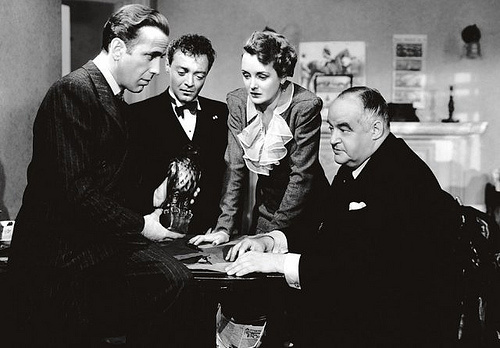
Humphrey Bogart as Sam Spade owns the movie, but he has a stellar support cast. From left: Bogart, Peter Lorre, Mary Astor and Sydney Greenstreet.

Astor, a Hollywood wild child of her time, who left a long string of husbands and lovers in her wake and generated much fodder for the tabloids, was brilliant casting for the part of bad-girl Brigid O. True to form, Astor allegedly was having an affair with Huston during the making of the film.

There is no doubt that Bogart owns this guy’s-guy male-fantasy picture, but Astor and the stellar support cast are unforgettable in their roles. As a good-luck gesture to his son, John, actor Walter Huston plays the part of the old sea captain. Peter Lorre drips malevolence as the effeminate and whiny Joel Cairo, and he has a foreign accent, which in Hollywood is usually shorthand for: he’s a bad’un.

Making his film debut at 61, Greenstreet’s Kasper Gutman is both debauched and debonair, a refined reprobate with a jolly cackle and tubby physique (he was more than 350 pounds!). Warner Bros. had to make an entire wardrobe for Greenstreet; Bogart wore his own clothes to save the studio money. One more Bogart contribution was adding the line: “The stuff that dreams are made of” at the end of the film, paraphrasing a line in “The Tempest” by William Shakespeare.

Tough-guy Sam Spade (Bogart) and wimpy Wilmer Cook (Elisha Cook Jr.) are perfect foils.

Tough-guy Sam Spade (Bogart) and wimpy Wilmer Cook (Elisha Cook Jr.) are perfect foils.

And honing the sort of performance that would become his trademark, Elisha Cook Jr. stamps the character of warped thug Wilmer Cook with code for “psycho” (darting eyes, bubbling rage, edgy desperation) as if it were a neon light attached to his forehead.

Much has been written about the homosexual subtext of the Cairo, Gutman and Cook characters – I will just say they’re all part of the flock that covets and vies for possession the falcon, a jewel-laden statue of a bird that’s the treasure at the core of this tense and serpentine story. When it’s suggested that Wilmer Cook be sacrificed for the good of the gang, Greenstreet’s Kasper Gutman explains that, though Wilmer is like a son, “If you lose a son, it’s possible to get another. There’s only one Maltese Falcon.”

Though there were two other celluloid versions of Hammett’s story, in my view, there’s only one “Maltese Falcon” and this is it.

Book ’em: From big-screen secrets to adoring your amazing body, we’ve got it covered

It’s good when you have a few spare minutes and find yourself near a bookstore. In my case, I was browsing at Diesel Books in Brentwood and saw these yummy titles. Can’t wait to dig in.

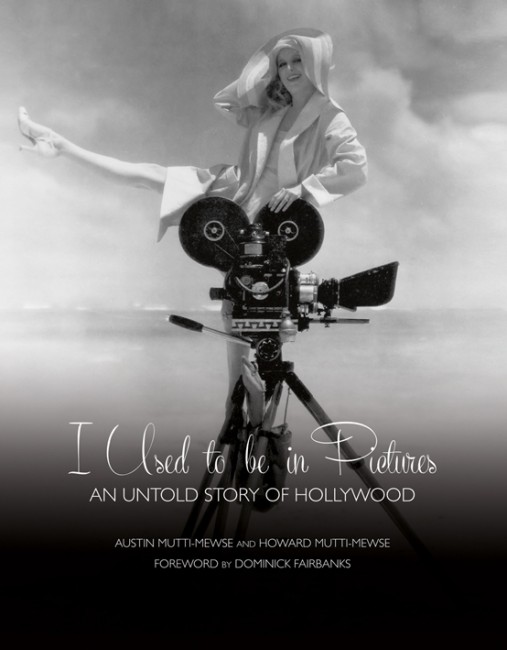
 “I Used to be in Pictures: An Untold Story of Hollywood” by Austin Mutti-Mewse and Howard Mutti-Mewse with a foreword by Dominick Fairbanks. Austin and Howard curated the show Worth Exposing Hollywood, showcasing the work of Hollywood's first paparazzi photographer Frank Worth, in London and LA, and a book followed.

“I Used to be in Pictures: An Untold Story of Hollywood” by Austin Mutti-Mewse and Howard Mutti-Mewse with a foreword by Dominick Fairbanks. Austin and Howard curated the show Worth Exposing Hollywood, showcasing the work of Hollywood’s first paparazzi photographer Frank Worth, in London and LA, and a book followed.

“Roman Polanksi: A Retrospective” by editor and film critic James Greenberg, foreword by Roman Polanski. The book covers every one of Polanski’s movies, from “Knife in the Water” (1962) to “Carnage” (2011). Illustrated with more than 250 images.

“Roman Polanksi: A Retrospective” by editor and film critic James Greenberg, foreword by Roman Polanski. The book covers every one of Polanski’s movies, from “Knife in the Water” (1962) to “Carnage” (2011). Illustrated with more than 250 images.

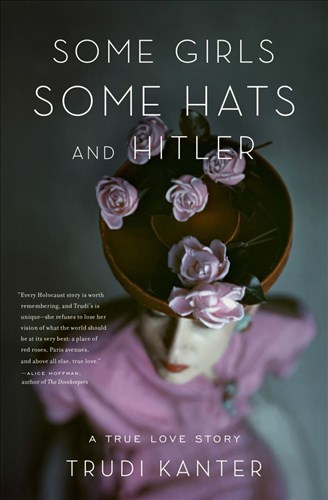
“Some Girls, Some Hats and Hitler,” a true love story by Trudi Kanter. Says Booklist: “From Paris to Vienna to London, Kanter creates a vibrant tapestry of her incredible odyssey through one of the darkest periods in contemporary history.” (Originally published in England in 1984.)

“Some Girls, Some Hats and Hitler,” a true love story by Trudi Kanter. Says Booklist: “From Paris to Vienna to London, Kanter creates a vibrant tapestry of her incredible odyssey through one of the darkest periods in contemporary history.” (Originally published in England in 1984.)

GirlsofAtomicCity[1]

“The Girls of Atomic City: The Untold Story of the Women Who Helped Win World War Two” by Denise Kiernan. The author tells the true story of the top-secret World War II town of Oak Ridge, Tenn., and the young women who (unknowingly) helped build the atomic bomb.

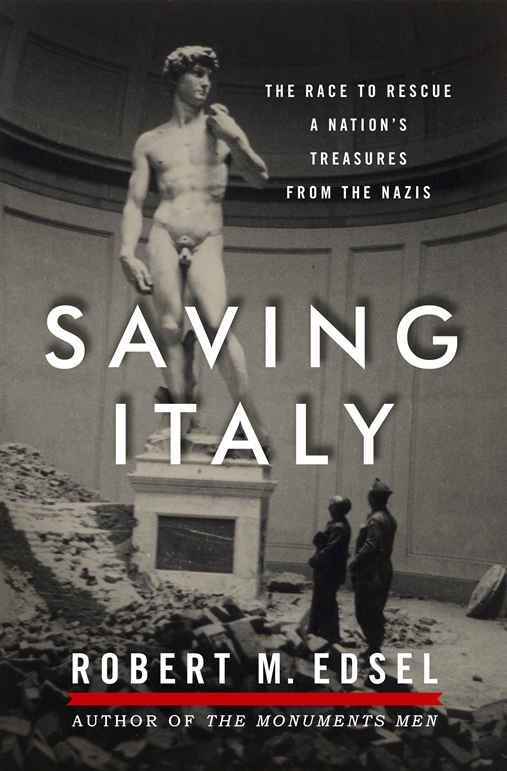
“Saving Italy: The Race to Rescue a Nation’s Treasures from the Nazis” by Robert M. Edsel, author of “The Monuments Men.”

“Saving Italy: The Race to Rescue a Nation’s Treasures from the Nazis” by Robert M. Edsel, author of “The Monuments Men.”

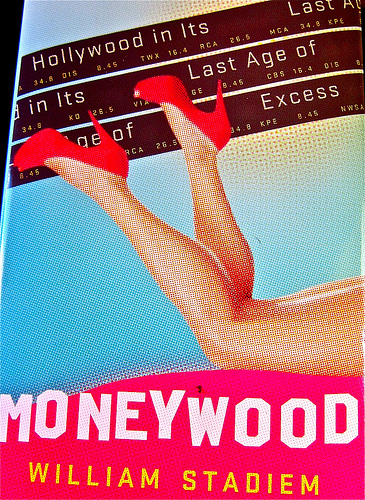
In “Moneywood: Hollywood in Its Last Age of Excess,” William Stadiem tells the inside story of Hollywood producers in the ’80s.

In “Moneywood: Hollywood in Its Last Age of Excess,” William Stadiem recounts the craziness of Hollywood producers in the ’80s.

Cockroaches

“Cockroaches: The Second Inspector Harry Hole Novel” is by Norwegian noirista Jo Nesbø (winner of the Glass Key award).

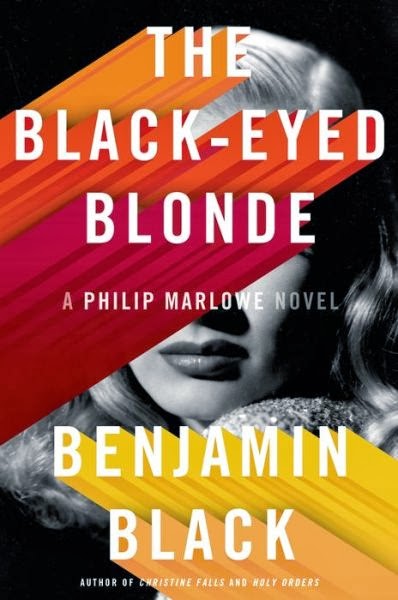
“The Black-Eyed Blonde: A Philip Marlowe Novel” by Benjamin Black. I read the first chapter and enjoyed it, though honestly it made want to reread Chandler. Benjamin Black is the nom de plume for the Man Booker Prize winner John Banville, considered to be one of the best writers in Ireland.

“The Black-Eyed Blonde: A Philip Marlowe Novel” by Benjamin Black. I read the first chapter and enjoyed it, though honestly it made me want to reread Chandler. Benjamin Black is the nom de plume for the Man Booker Prize winner John Banville, considered to be one of the best writers in Ireland.

“The Body Book: The Law of Hunger, the Science of Strength, and Other Ways to Love Your Amazing Body” by Cameron Diaz. Do share, Cameron, dahling! I look forward to learning her secrets.

“The Body Book: The Law of Hunger, the Science of Strength, and Other Ways to Love Your Amazing Body” by Cameron Diaz. Do share, Cameron, dahling! I look forward to learning her secrets.

The Film Noir File: ‘Strangers on a Train’ is one you must catch

By Film Noir Blonde and Mike Wilmington

The Noir File is FNB’s guide to classic film noir, neo-noir and pre-noir from the schedule of Turner Classic Movies (TCM), which broadcasts them uncut and uninterrupted. The times are Eastern Standard and (Pacific Standard).

Pick of the Week

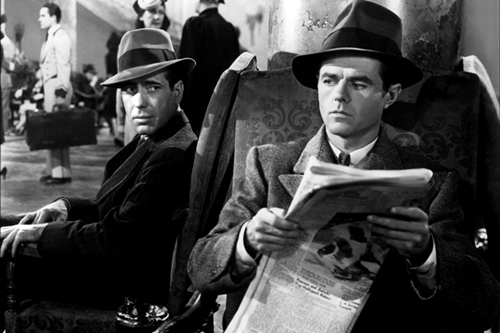
Farley Granger (left) and Robert Walker give pitch-perfect performances in "Strangers."

Farley Granger (left) and Robert Walker give pitch-perfect performances in “Strangers.”

Strangers on a Train (1951, Alfred Hitchcock). Monday, March 10: 4 p.m. (1 p.m.). With Farley Granger, Robert Walker and Ruth Roman.

Hitchcock starts the story by contrasting the shiny, two-toned spats of Bruno Anthony (Robert Walker) with the sensible black dress shoes of Guy Haines (Farley Granger) as each emerges from a Diamond cab. We follow these parallel footsteps as they board the same train, hence the title.

These brief shots contain the crux of the film: Model citizens often hide hard-core badness and the most unsavory renegades and reprobates can surprise you with a virtue or two (especially if we count charm and fashion sense as virtues). Read the full review here.

Thursday, March 6

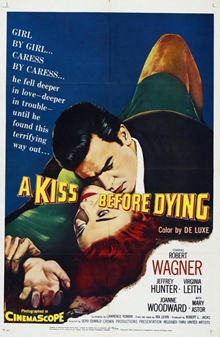
A Kiss Before Dying poster6 p.m. (3 p.m.): “A Kiss Before Dying” (1956, Gerd Oswald). With Robert Wagner, Jeffrey Hunter and Joanne Woodward. Reviewed in FNB, on May 17, 2011 and Nov. 10, 2012.

Friday, March 7

11 a.m. (8 a.m.): “The MacomberAffair” (1947, Zoltan Korda). Widely regarded as one of the cinema’s best films ever taken from an Ernest Hemingway story, this simmeringly tense, darkly faithful adaptation of Hemingway’s African tale “The Short Happy Like of Francis Macomber” focuses on a dangerous triangle on safari. The potent threesome are a cynical Great White Hunter (Gregory Peck), his boyishly enthusiastic rich neophyte hunter of an employer, Macomber (Robert Preston), and Macomber’s sultry-eyed seemingly ready-to-be-faithless wife (Susan Hayward). They enact a timeless drama surrounded by wild animals and scorching real-life African settings. Few filmmakers are better with jungle beasts and jungle people than director Zoltan Korda (’The Jungle Book,’ “Elephant Boy,” “Four Feathers”), and this may be his best movie.

5 p.m. (2 p.m.): “Count the Hours” (1953, Don Siegel). Tough, lean Siegel “B” about a migrant worker accused of murder in a prejudiced town, and the inferno of a trial into which he and his idealistic lawyer (MacDonald Carey) are thrown. With Teresa Wright and Jack Elam. [Read more…]

Film noir highlights at the Academy Awards

On Oscars Sunday, I present a few highlights of film noiristas who have won the coveted gold statuette. Generally speaking, film-noir titles were not wildly popular with Academy voters. Certainly, a B picture stood little chance of being honored. Film noir movies with bigger budgets and brighter star power might have earned nominations but ultimately lost the Oscar. That said, one category in which film-noir talent held its own was writing.

The Academy recognized that fact in 2010 with its excellent Oscar Noir screening series, which celebrated film-noir classics from the 1940s, all of which were nominated in the writing categories. You can see clips from the series and learn more about the Oscars’ history at www.oscars.org. It’s a terrific resource. While there, I also found out about a quintessential 1940s woman who had a hand in shaping the ceremony as we know it today: Margaret Herrick. Read more about her here.

Meanwhile, pop the champagne – the show’s about to start!

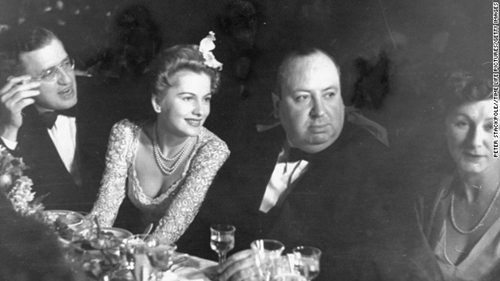
Joan Fontaine, sitting with David O. Selznick, Alfred Hitchcock and Alma Hitchcock at the 1941 ceremony, starred in

Joan Fontaine, sitting with David O. Selznick, Alfred Hitchcock and Alma Hitchcock at the 1941 ceremony, starred in “Rebecca,” though she lost the gold to Ginger Rogers. “Rebecca” won Best Picture and Best Cinematography. Fontaine claimed the Oscar the next year in Hitchcock’s “Suspicion.” In the 1941 show, President Franklin D. Roosevelt gave a six-minute, direct-line radio address from the White House, honoring the work of Hollywood. This was the first time an American president had participated in an Academy Awards evening. Also, for the first time, the names of all the winners were kept secret until they were announced during the ceremony. Hitchcock received an honorary Oscar in 1968.

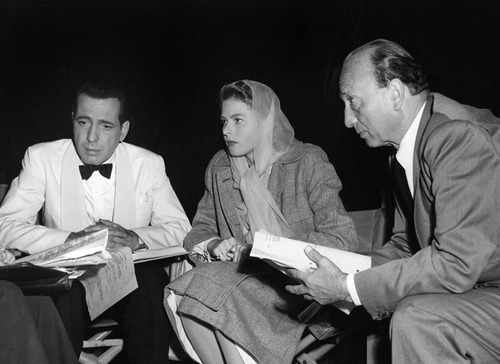
Humphrey Bogart, Ingrid Bergman and Michael Curtiz on the set of "Casablanca," which snared the gold in 1944. The film was released in late 1942 and competed with titles from 1943.

Humphrey Bogart, Ingrid Bergman and Michael Curtiz on the set of “Casablanca,” which snared the gold in 1944. The film was released in late 1942 and competed with titles from 1943.

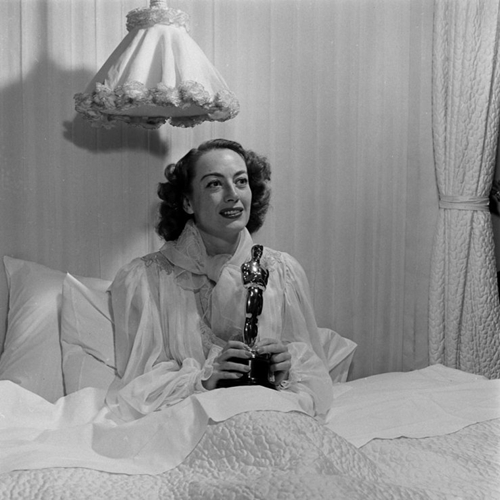
Joan Crawford triumphed playing the title role in 1945's "Mildred Pierce." Director Michael Kurtiz accepted the award at the ceremony because Crawford was ill and confined to bed. Clearly, she perked up when she found out she won.

Joan Crawford triumphed playing the title role in 1945’s “Mildred Pierce.” Director Michael Kurtiz accepted the award at the ceremony because Crawford was ill and confined to bed. Clearly, she perked up when she found out she won.

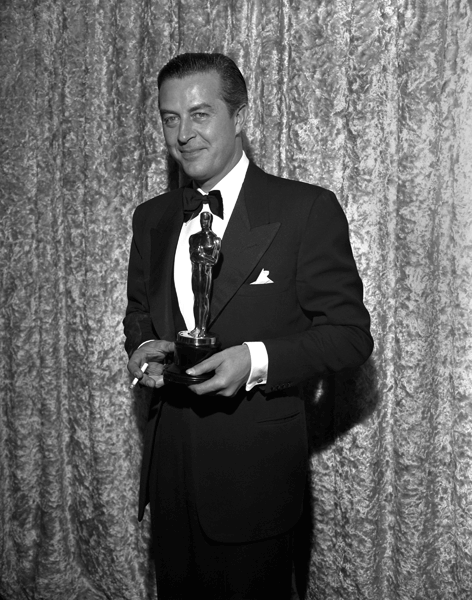
Ray Milland holds his Best Actor Oscar. He won for his portrayal of an alcoholic writer in Billy Wilder's "The Lost Weekend" from 1945. The film also won Best Picture, Best Director and Best Screenplay, a rare feat for such a noirish flick.

Ray Milland holds his Best Actor Oscar. He won for his portrayal of an alcoholic writer in Billy Wilder’s “The Lost Weekend” from 1945. The film also won Best Picture, Best Director and Best Screenplay, a rare feat for such a noirish flick.

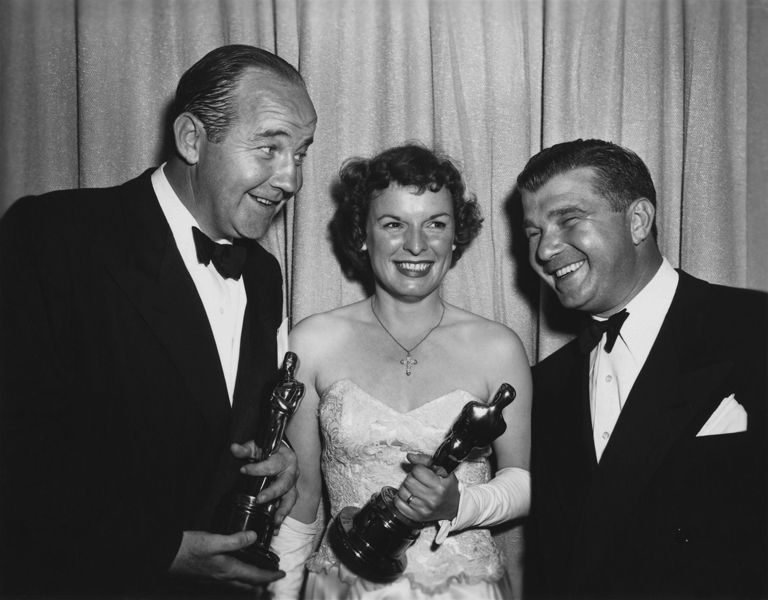
"All the King's Men," a political noir from 1949, garnered Best Picture, Best Actor for Broderick Crawford and Best Supporting Actress for Mercedes McCambridge. The gold winners savor the moment with director Robert Rossen.

“All the King’s Men,” a political noir from 1949, garnered Best Picture, Best Actor for Broderick Crawford and Best Supporting Actress for Mercedes McCambridge. The gold winners savor the moment with director Robert Rossen.

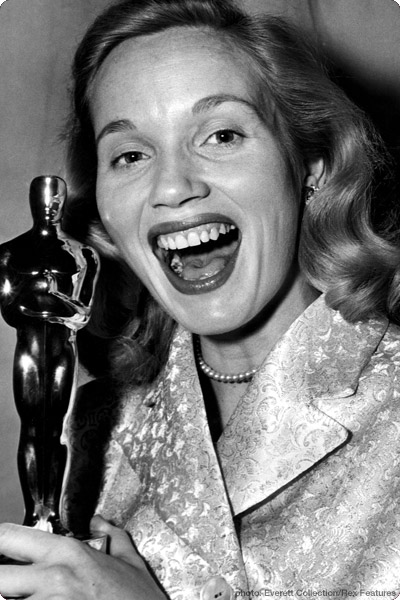
Eva Marie Saint took home the Best Supporting Actress for  "On the Waterfront" from 1954. "On The Waterfront" also won Best Picture, Best Actor (Marlon Brando), Black-and-White Art Direction-Set Decoration, (Richard Day), Black-and-White Cinematography (Boris Kaufman), Directing (Elia Kazan), Film Editing (Gene Milford), and Writing – Story and Screenplay (Budd Schulberg).

Eva Marie Saint took home the Best Supporting Actress Oscar for
“On the Waterfront” from 1954. “On The Waterfront” also won Best Picture, Best Actor (Marlon Brando), Black-and-White Art Direction-Set Decoration, (Richard Day), Black-and-White Cinematography (Boris Kaufman), Directing (Elia Kazan), Film Editing (Gene Milford), and Writing – Story and Screenplay (Budd Schulberg).

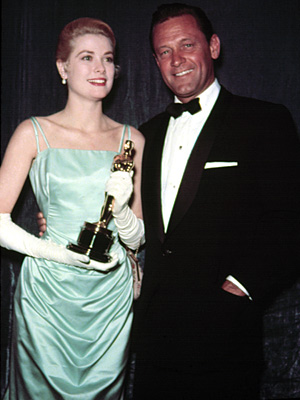
Grace Kelly won the Best Actress gold for 1954's "Country Girl." I know, I know, it's not a noir but Kelly was one of Hitchcock's favorite blondes, she's shown with co-star William Holden (mmm) and I love the dress. Kelly quit acting in 1955 to marry Prince Rainier.

Grace Kelly won the Best Actress gold for 1954’s “Country Girl.” I know, I know, it’s not a noir but Kelly was one of Hitchcock’s favorite blondes, she’s shown with co-star William Holden (mmm) and I love the dress. Kelly quit acting in 1955 to marry Prince Rainier.

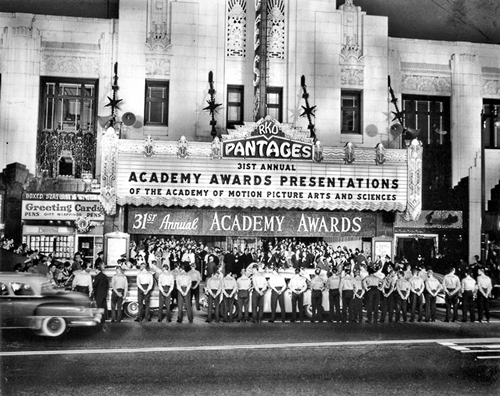
The RKO Pantages Theatre hosted many Oscar ceremonies. The 31st Academy Awards ceremony, held on April 6, 1959, ended 20 minutes early, after producer Jerry Wald cut numbers from the show to make sure it ran on time. Host Jerry Lewis was left to fill up the time.

The RKO Pantages Theatre hosted many Oscar ceremonies. The 31st Academy Awards ceremony, held on April 6, 1959, ended 20 minutes early, after producer Jerry Wald cut numbers from the show to make sure it ran on time. Host Jerry Lewis was left to fill up the time.

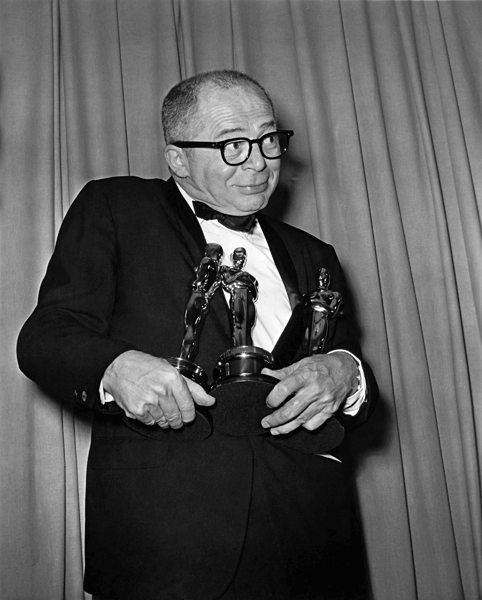
Billy Wilder juggles Oscars snared by his dark comedy "The Apartment," which won Best Picture, Best Black-and-White Art Direction-Set Decoration (Alexander Trauner and Edward G. Boyle), Directing (Billy Wilder), Film Editing (Daniel Mandell), and Writing – Story and Screenplay written directly for the screen (Billy Wilder and I.A.L. Diamond).

Billy Wilder juggles Oscars snared by his dark comedy “The Apartment,” which won Best Picture, Best Black-and-White Art Direction-Set Decoration (Alexander Trauner and Edward G. Boyle), Directing (Billy Wilder), Film Editing (Daniel Mandell), and Writing – Story and Screenplay written directly for the screen (Billy Wilder and I.A.L. Diamond).

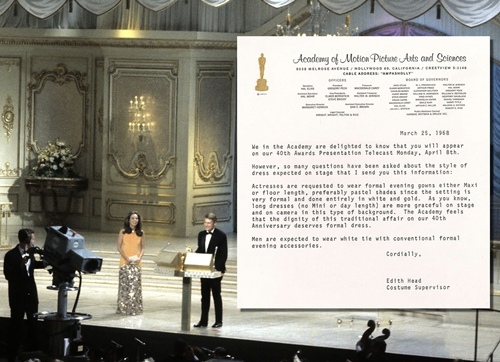
Eight-time Costume Design winner Edith Head was costume supervisor for the 40th (1967) Academy Awards and offered her fashion tips in the letter above. Also seen above are presenter Leslie Caron and Best Director winner Mike Nichols.

Eight-time Costume Design winner Edith Head was costume supervisor for the 40th (1967) Academy Awards and offered her fashion tips in the letter above. Also seen above are presenter Leslie Caron and Best Director winner Mike Nichols.

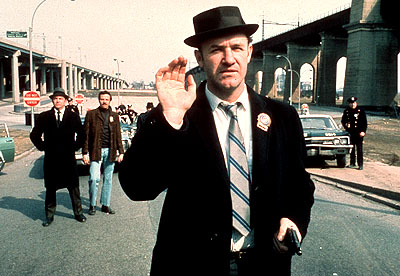
"The French Connection," a neo-noir from1972, won Best Picture. The film also won Academy Awards for Best Actor (Gene Hackman), Directing (William Friedkin), Film Editing (Jerry Greenberg), and Writing – Screenplay based on material from another medium (Ernest Tidyman).

“The French Connection,” a neo-noir from 1971, won Best Picture. The film also won Academy Awards for Best Actor (Gene Hackman), Directing (William Friedkin), Film Editing (Jerry Greenberg), and Writing – Screenplay based on material from another medium (Ernest Tidyman).

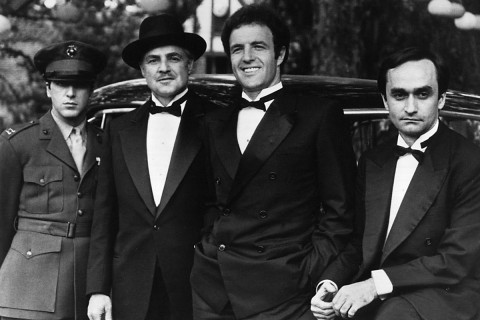
"The Godfather" (1972) cast members: Maron Brando, James Caan, Al Pacino and xx. The classic family-crime saga won Best Picture. The movie also won Best Actor (Marlon Brando) and Writing – Screenplay based on material from another medium (Mario Puzo and Francis Ford Coppola). “The Godfather Part II" (1974) became the first sequel to win the award for Best Picture. Part Two claimed five more Oscars including the directing prize for Coppola.

“The Godfather” (1972) cast members: Al Pacino, Marlon Brando, James Caan, and John Cazale. The classic family-crime saga won Best Picture. The movie also won Best Actor (Marlon Brando) and Writing – Screenplay based on material from another medium (Mario Puzo and Francis Ford Coppola). “The Godfather Part II” (1974) became the first sequel to win the award for Best Picture. Part Two also claimed five more Oscars including the directing prize for Coppola.

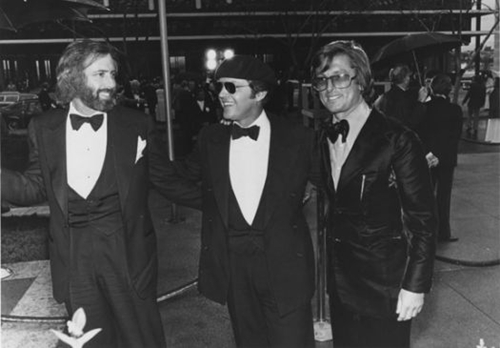
Robert Towne, Jack Nicholson and producer Robert Evans at the 1975 Oscars ceremony. Towne took home the Oscar for writing "Chinatown," perhaps the best neo-noir script ever written.

Robert Towne, Jack Nicholson and producer Robert Evans at the 1975 Oscars. Towne took home the Oscar for writing “Chinatown,” perhaps the best neo-noir script ever written.

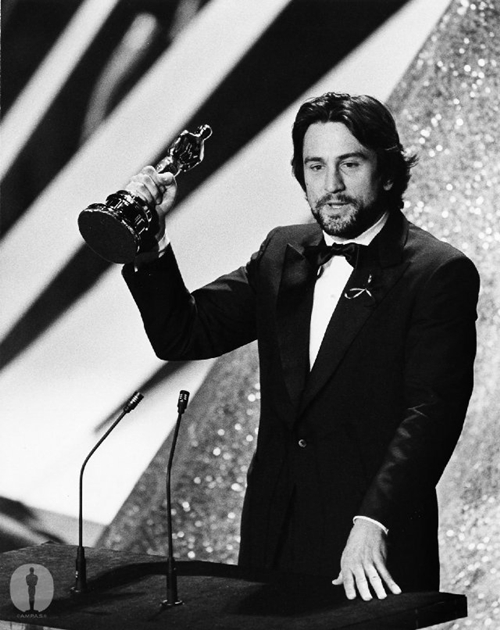
Robert DeNiro gives accepts his Best Actor Oscar for "Raging Bull" (1980) directed by Martin Scorsese, who grew up on classic noir and became a neo-noir master. The oft-subbed Scorsese finally won the directing gold for 2007's "The Departed."

Robert DeNiro accepts his Best Actor Oscar for “Raging Bull” (1980) directed by Martin Scorsese, who grew up on classic noir and became a neo-noir master. The oft-snubbed Scorsese finally won the directing gold for 2006’s “The Departed.” This was DeNiro’s second Oscar, having garnered Best Supporting Actor for “The Godfather Part II.”

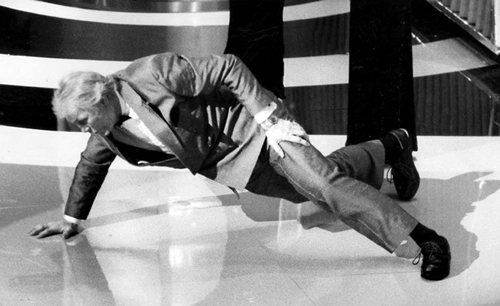
During his fourth decade in the movies, Jack Palance won Supporting Actor for his role as Curly in "City Slickers" (1991). His famous one-handed pushups onstage became a running joke with host Billy Crystal throughout the show. Our favorite Palance film-noir part: "Sudden Fear" (1952, David Miller) in which he co-starred with Joan Crawford and Gloria Grahame.

During his fourth decade in the movies, Jack Palance won Supporting Actor for his role as Curly in “City Slickers” (1991). His famous one-handed pushups onstage became a running joke with host Billy Crystal throughout the show. Our favorite Palance film-noir part: “Sudden Fear” (1952, David Miller) in which he co-starred with Joan Crawford and Gloria Grahame.

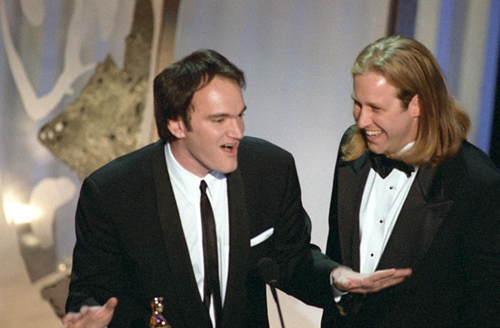
Quentin Tarantino and Roger Avary won the Oscar for writing "Pulp Fiction" (1994). It earned six other noms.

Quentin Tarantino and Roger Avary won the Oscar for writing “Pulp Fiction” (1994). It earned six other noms.

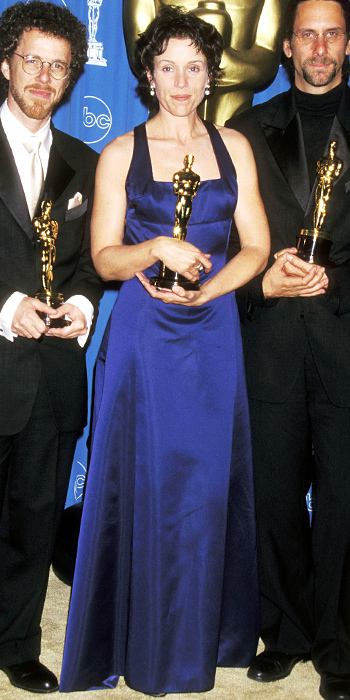
Frances McDormand hold her Best Actress Oscar for her work in 1996's "Fargo." Writer/director team Joel and Ethan Coen won for Best Original Screenplay. They went on to win writing and directing Oscars for 2007's "No Country for Old Men."

Frances McDormand hold her Best Actress Oscar for her work in 1996’s “Fargo.” Writer/director team Joel and Ethan Coen won for Best Original Screenplay. They went on to win writing and directing Oscars for the 2007 neo noir “No Country for Old Men.”

The Film Noir File: Nine glorious Garfield movies

By Film Noir Blonde and Mike Wilmington

The Film Noir File is FNB’s guide to classic film noir, neo-noir and pre-noir from the schedule of Turner Classic Movies (TCM), which broadcasts them uncut and uninterrupted. The times are Eastern Standard and (Pacific Standard).

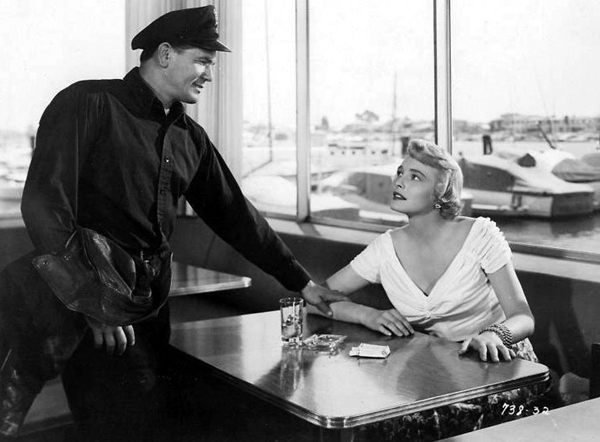
John Garfield and Patricia Neal star in "The Breaking Point."

John Garfield and Patricia Neal star in “The Breaking Point.”

Pick of the Week: John Garfield Day is Tuesday, March 4

A film noir feast: Nine movies with one of the great film noir stars, John Garfield – a quintessential New York City actor and Warner Brothers tough guy, whose movies and roles were full of nerve, chutzpah and street smarts, and who was born in the city, a.k.a. Jacob Julius Garfinkle. The Garfield noirs or semi-noirs shown that day are “Dust be my Destiny” (1939), “They Made Me a Criminal” (1939), “East of the River” (1940), “Out of the Fog” (1941), “The Sea Wolf” (1941), “Dangerously They Live” (1942) and (the best of the bunch) “The Breaking Point” (1950). Also showing that day: two interesting Garfield non-noirs “Four Wives” (1939) and “Flowing Gold” (1940).

Mark your calendar for this special day for film noir fans, and for all cinema-lovers – a day devoted to a classic movie hero and anti-hero in black-and-white, to the guy they called “Julie,” who lived passionately on screen and who died at 39, one of the tragic victims, many feel, of the ’50s Black List.

Friday, Feb. 28

Casablanca poster8 p.m. (5 p.m.): “Casablanca” (1942, Michael Curtiz). With Humphrey Bogart, Ingrid Bergman, Paul Henreid, Sydney Greenstreet and Peter Lorre. Reviewed in FNB on Aug. 25, 2012. Also, TCM is bringing “Casablanca” to theaters for free screenings in 20 select cities on Tuesday, March 4.

Saturday, March 1

12 p.m. (9 a.m.): “On the Waterfront” (1954, Elia Kazan). With Marlon Brando, Eva Marie Saint, Lee J. Cobb, Karl Malden and Rod Steiger. Reviewed in FNB on Feb. 20, 2013.

8 p.m. (5 p.m.): “In the Heat of the Night” (1967, Norman Jewison). With Sidney Poitier, Rod Steiger and Lee Grant. Reviewed in FNB on Jan. 16, 2014.

2 a.m. (11 p.m.): “Bonnie and Clyde” (1967, Arthur Penn). With Warren Beatty, Faye Dunaway, Gene Hackman and Estelle Parsons. Reviewed in FNB on Feb. 4, 2013.

Monday, March 3

6:45 a.m. (3:45 a.m.): “The Informer” (1935, John Ford). With Victor McLaglen, Preston Foster and Heather Angel. Reviewed in FNB on Dec. 12, 2012.

Tuesday, March 4

John Garfield Day: See above. Also: “Casablanca” might be showing for free at your local theater (see above).

The first film noir: ‘Stranger on the Third Floor’ stakes a claim

Stranger on the Third Floor/1940/RKO Radio Pictures/64 min.

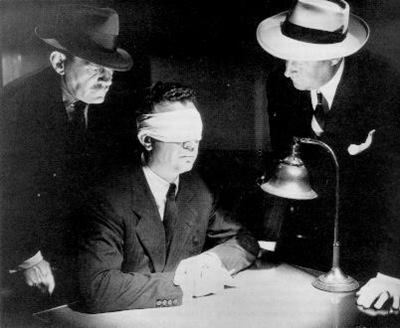
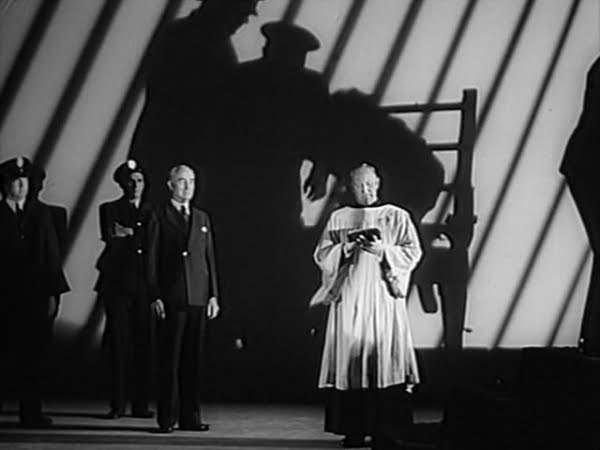
“Stranger,” with its dramatic look, broke new cinematic ground.

“Stranger on the Third Floor,” with its dramatic Expressionistic look, broke new cinematic ground.

There’s no definitive answer to the question of which movie is the first film noir but some experts make a case for “Stranger on the Third Floor” (1940, Boris Ingster) and it’s a pretty good argument. Others cite 1941’s “The Maltese Falcon” by John Huston and some film historians maintain that “Double Indemnity” (1944, Billy Wilder) holds the title.

Of the three directors, Ingster, who had worked with Sergei Eisenstein in Russia, is the least distinguished and “Stranger” lacks the makings of a great film. Now, 74 years after it was made, “Stranger” feels somewhat dated and contrived, but it’s indisputable that Ingster’s B movie – with its dramatic look and disturbing psychological theme – broke new cinematic ground.

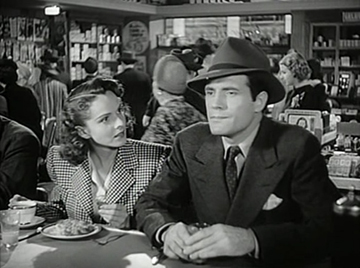
John McGuire plays Michael Ward, an energetic and ambitious reporter for a New York City paper. Mike needs a raise so he can marry his girlfriend, Jane (Margaret Tallichet), an office worker with no last name. She’s beautiful, sweet, loyal and resourceful, i.e. the perfect wife and essentially an extension of John’s personality.

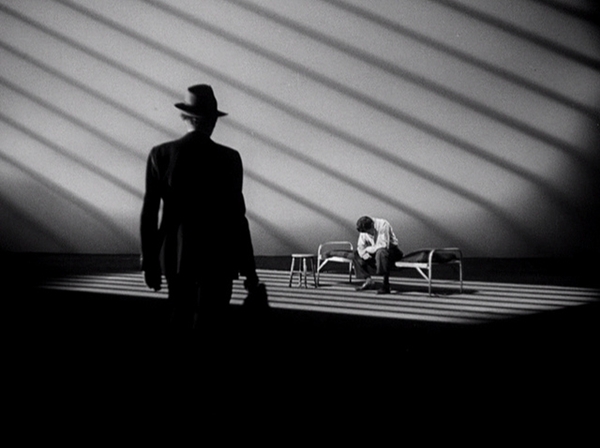
“Stranger” uses compelling visuals to convey its disturbing psychological theme.

“Stranger” uses compelling visuals to convey its disturbing psychological theme.

Mike snares a $12/week raise not for breaking a story but for testifying in a murder trial. He tells the court that he saw a weasely-looking kid named Joe Briggs (Elisha Cook, Jr.) standing over the slain body of a lunchroom proprietor. Mike’s statement brings a conviction and the death sentence for Briggs, who already has a record.

But slowly, anxiety and fear start to eat away at Mike: What if he’s wrong and Briggs is innocent?  Back in his room at Mrs. Kane’s boarding house, the usually cocksure Mike is startled when he sees a shifty-eyed Stranger (Peter Lorre, whose small but crucial part got him top billing) with a long white scarf. Just as quickly as he appears, the Stranger vanishes.

It occurs to Mike that he usually hears the snoring of his fellow boarder Mr. Meng (Charles Halton), a meddling busybody, whom Mike dislikes. The silence makes Mike wonder if Meng met with foul play and he begins to fixate on what might have happened.

More than once Mike has been steamed enough to talk of killing Meng. Of course, he didn’t mean it, but his landlady (Ethel Griffies) and Jane both heard him say it. And if Briggs can be convicted on flimsy evidence, what’s to save Mike from a similar fate? Ingster then introduces a kaleidoscopic nightmare sequence, both stunning and scary, as Mike tosses and turns with his conscience. When he wakes, he barges into Meng’s room and, sure enough, his neighbor is dead. Mike goes to the police and, playing out the paranoia of his dream, finds himself under suspicion for both murders. After all, he found both bodies.

Jane (Margaret Talichet) functions as the moral compass for Mike (John McGuire)

Jane (Margaret Tallichet), an office worker with no last name, functions as the moral compass for Mike (John McGuire).

A call to the always-enterprising Jane spurs her to comb the streets looking for the real killer and eventually she evens out those finicky scales of justice. Now can she get that Bloomingdale’s bridal registry filled out? Sigh.

“Stranger,” though hokey and pat, is a landmark in the history of film noir.

Budapest-born Frank Partos conceived the story and wrote the screenplay. His other writing credits include the ’40s thrillers “The Uninvited,” “The Snake Pit,” and “The House on Telegraph Hill.”

Partos and Ingster bring an unmistakable stamp of German Expressionism to their work as they explore the workings of fundamental human emotions such as guilt, remorse and fear. There is a palpable sense of alienation and doom.

Like many directors of B-movies, Ingster made the most of what he had, which was a low-budget, low-profile flick. Most notably, he deserves high marks for creative, compelling visuals. The shadow of the Venetian blinds at the courthouse, thin horizontal bars stretching over the accused (Briggs) and symbolizing his imminent incarceration, became an essential element of film noir’s look and style. Similarly, trippy nightmare sequences became a hallmark of the genre.

Peter Lorre played in "Stranger," "The Maltese Falcon" and "M."

Peter Lorre played in “Stranger,” “The Maltese Falcon” and “M.”

The sets of “Stranger on the Third Floor” could be re-creations of famous theater stages in Dresden or Berlin at the height of the Expressionist movement – sparely furnished, carefully composed, with bold, geometric black and white patterns signifying indifference, helplessness and frustration. The courtroom resembles an auditorium and the newspaper with the huge headline “Murder” draws on Beaux Arts theater posters.  The stylized, sleeping jury members seem like dancers in repose.

Most memorable of all is the masterful acting of Peter Lorre, who ratchets up the tension level as he effortlessly conveys the warped frisson his villain derives from random killings. Lorre and Cook, another stalwart film-noir player, would reunite the next year in “The Maltese Falcon.” The contributions of the much-parodied Lorre are sometimes undervalued, perhaps because we forget how much he shaped the portrayal of a man with a sick mind, lending depth and flamboyance in equal measure. He started that foray nearly 10 years before – introducing one of the most memorable psychopaths in cinema, a child murderer, in Fritz Lang’s “M” from 1931.