Favorite film noir Oscar moments

I wasn’t terribly impressed with last night’s Oscar ceremony. Long and not very funny, for the most part. But, I enjoyed Richard Brody’s assessment in The New Yorker and present you with these golden moments from Oscars past.

Generally speaking, film-noir titles were not wildly popular with Academy voters. Certainly, a B picture stood little chance of being honored. Film noir movies with bigger budgets and brighter star power might have earned nominations but ultimately lost the Oscar. That said, one category in which film-noir talent held its own was writing.

The Academy recognized that fact in 2010 with its excellent Oscar Noir screening series, which celebrated film-noir classics from the 1940s, all of which were nominated in the writing categories. You can see clips from the series and learn more about the Oscars’ history at www.oscars.org. It’s a terrific resource. While there, I also found out about a quintessential 1940s woman who had a hand in shaping the ceremony as we know it today: Margaret Herrick. Read more about her here.
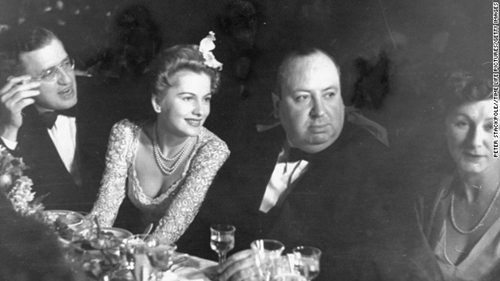
Joan Fontaine, sitting with David O. Selznick, Alfred Hitchcock and Alma Hitchcock at the 1941 ceremony, starred in

Joan Fontaine, sitting with David O. Selznick, Alfred Hitchcock and Alma Hitchcock at the 1941 ceremony, starred in “Rebecca,” though she lost the gold to Ginger Rogers. “Rebecca” won Best Picture and Best Cinematography. Fontaine claimed the Oscar the next year in Hitchcock’s “Suspicion.” In the 1941 show, President Franklin D. Roosevelt gave a six-minute, direct-line radio address from the White House, honoring the work of Hollywood. This was the first time an American president had participated in an Academy Awards evening. Also, for the first time, the names of all the winners were kept secret until they were announced during the ceremony. Hitchcock received an honorary Oscar in 1968.
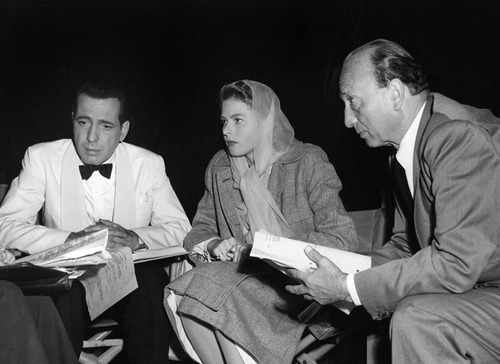
Humphrey Bogart, Ingrid Bergman and Michael Curtiz on the set of "Casablanca," which snared the gold in 1944. The film was released in late 1942 and competed with titles from 1943.
Humphrey Bogart, Ingrid Bergman and Michael Curtiz on the set of “Casablanca,” which snared the gold in 1944. The film was released in late 1942 and competed with titles from 1943.

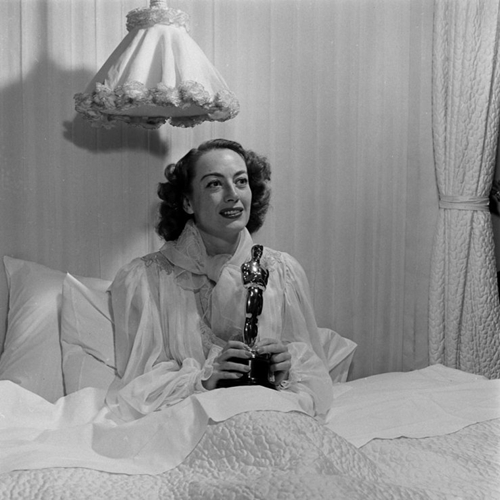
Joan Crawford triumphed playing the title role in 1945's "Mildred Pierce." Director Michael Kurtiz accepted the award at the ceremony because Crawford was ill and confined to bed. Clearly, she perked up when she found out she won.
Joan Crawford triumphed playing the title role in 1945’s “Mildred Pierce.” Director Michael Kurtiz accepted the award at the ceremony because Crawford was ill and confined to bed. Clearly, she perked up when she found out she won.

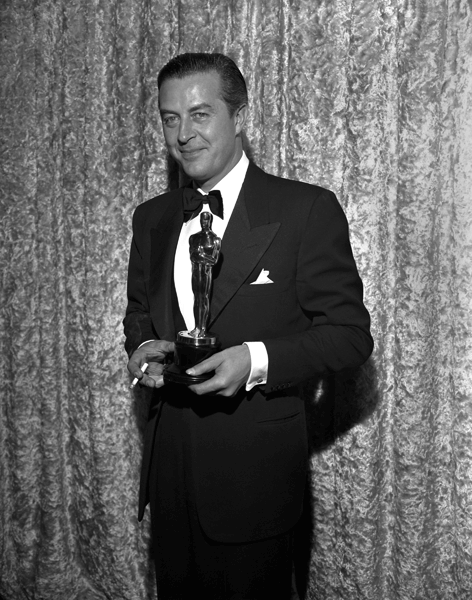
Ray Milland holds his Best Actor Oscar. He won for his portrayal of an alcoholic writer in Billy Wilder's "The Lost Weekend" from 1945. The film also won Best Picture, Best Director and Best Screenplay, a rare feat for such a noirish flick.
Ray Milland holds his Best Actor Oscar. He won for his portrayal of an alcoholic writer in Billy Wilder’s “The Lost Weekend” from 1945. The film also won Best Picture, Best Director and Best Screenplay, a rare feat for such a noirish flick.

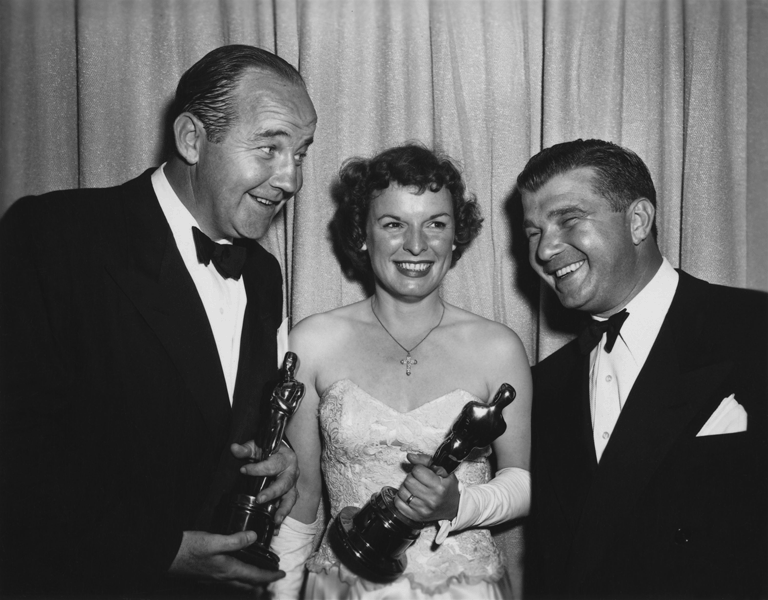
"All the King's Men," a political noir from 1949, garnered Best Picture, Best Actor for Broderick Crawford and Best Supporting Actress for Mercedes McCambridge. The gold winners savor the moment with director Robert Rossen.
“All the King’s Men,” a political noir from 1949, garnered Best Picture, Best Actor for Broderick Crawford and Best Supporting Actress for Mercedes McCambridge. The gold winners savor the moment with director Robert Rossen.

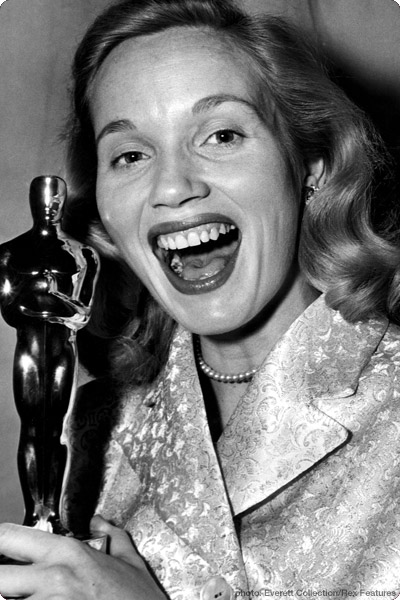
Eva Marie Saint took home the Best Supporting Actress for  "On the Waterfront" from 1954. "On The Waterfront" also won Best Picture, Best Actor (Marlon Brando), Black-and-White Art Direction-Set Decoration, (Richard Day), Black-and-White Cinematography (Boris Kaufman), Directing (Elia Kazan), Film Editing (Gene Milford), and Writing – Story and Screenplay (Budd Schulberg).
Eva Marie Saint took home the Best Supporting Actress Oscar for
“On the Waterfront” from 1954. “On The Waterfront” also won Best Picture, Best Actor (Marlon Brando), Black-and-White Art Direction-Set Decoration, (Richard Day), Black-and-White Cinematography (Boris Kaufman), Directing (Elia Kazan), Film Editing (Gene Milford), and Writing – Story and Screenplay (Budd Schulberg).

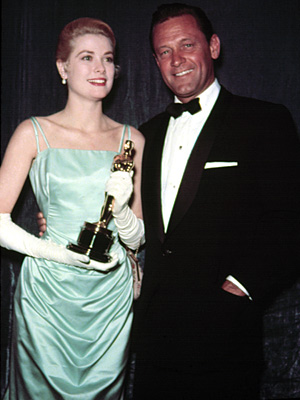
Grace Kelly won the Best Actress gold for 1954's "Country Girl." I know, I know, it's not a noir but Kelly was one of Hitchcock's favorite blondes, she's shown with co-star William Holden (mmm) and I love the dress. Kelly quit acting in 1955 to marry Prince Rainier.
Grace Kelly won the Best Actress gold for 1954’s “Country Girl.” I know, I know, it’s not a noir but Kelly was one of Hitchcock’s favorite blondes, she’s shown with co-star William Holden (mmm) and I love the dress. Kelly quit acting in 1955 to marry Prince Rainier.

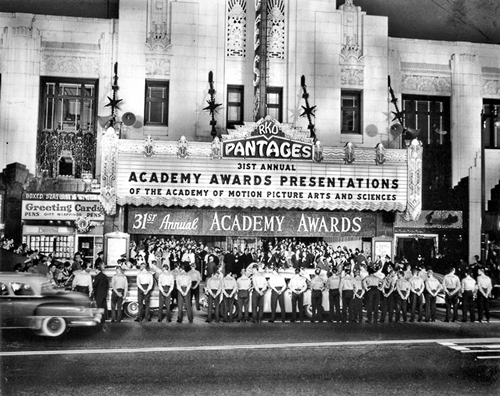
The RKO Pantages Theatre hosted many Oscar ceremonies. The 31st Academy Awards ceremony, held on April 6, 1959, ended 20 minutes early, after producer Jerry Wald cut numbers from the show to make sure it ran on time. Host Jerry Lewis was left to fill up the time.
The RKO Pantages Theatre hosted many Oscar ceremonies. The 31st Academy Awards ceremony, held on April 6, 1959, ended 20 minutes early, after producer Jerry Wald cut numbers from the show to make sure it ran on time. Host Jerry Lewis was left to fill up the time.

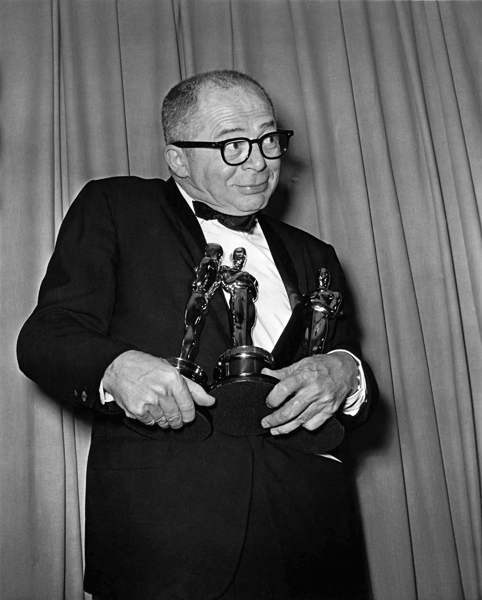
Billy Wilder juggles Oscars snared by his dark comedy "The Apartment," which won Best Picture, Best Black-and-White Art Direction-Set Decoration (Alexander Trauner and Edward G. Boyle), Directing (Billy Wilder), Film Editing (Daniel Mandell), and Writing – Story and Screenplay written directly for the screen (Billy Wilder and I.A.L. Diamond).
Billy Wilder juggles Oscars snared by his dark comedy “The Apartment,” which won Best Picture, Best Black-and-White Art Direction-Set Decoration (Alexander Trauner and Edward G. Boyle), Directing (Billy Wilder), Film Editing (Daniel Mandell), and Writing – Story and Screenplay written directly for the screen (Billy Wilder and I.A.L. Diamond).

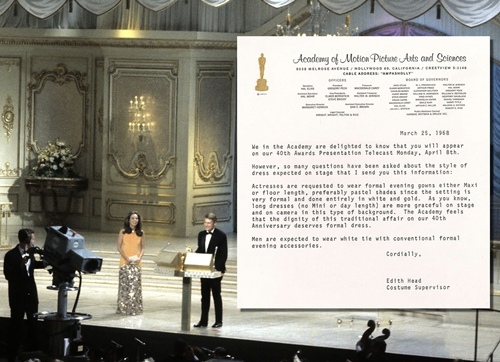
Eight-time Costume Design winner Edith Head was costume supervisor for the 40th (1967) Academy Awards and offered her fashion tips in the letter above. Also seen above are presenter Leslie Caron and Best Director winner Mike Nichols.
Eight-time Costume Design winner Edith Head was costume supervisor for the 40th (1967) Academy Awards and offered her fashion tips in the letter above. Also seen above are presenter Leslie Caron and Best Director winner Mike Nichols.

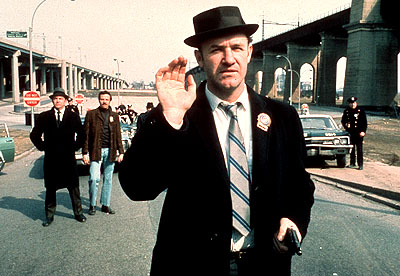
"The French Connection," a neo-noir from1972, won Best Picture. The film also won Academy Awards for Best Actor (Gene Hackman), Directing (William Friedkin), Film Editing (Jerry Greenberg), and Writing – Screenplay based on material from another medium (Ernest Tidyman).
“The French Connection,” a neo-noir from 1971, won Best Picture. The film also won Academy Awards for Best Actor (Gene Hackman), Directing (William Friedkin), Film Editing (Jerry Greenberg), and Writing – Screenplay based on material from another medium (Ernest Tidyman).

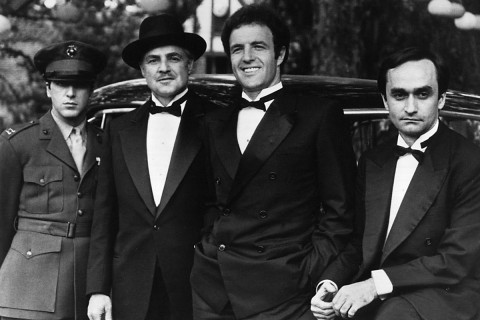
"The Godfather" (1972) cast members: Maron Brando, James Caan, Al Pacino and xx. The classic family-crime saga won Best Picture. The movie also won Best Actor (Marlon Brando) and Writing – Screenplay based on material from another medium (Mario Puzo and Francis Ford Coppola). “The Godfather Part II" (1974) became the first sequel to win the award for Best Picture. Part Two claimed five more Oscars including the directing prize for Coppola.

“The Godfather” (1972) cast members: Al Pacino, Marlon Brando, James Caan, and John Cazale. The classic family-crime saga won Best Picture. The movie also won Best Actor (Marlon Brando) and Writing – Screenplay based on material from another medium (Mario Puzo and Francis Ford Coppola). “The Godfather Part II” (1974) became the first sequel to win the award for Best Picture. Part Two also claimed five more Oscars including the directing prize for Coppola.
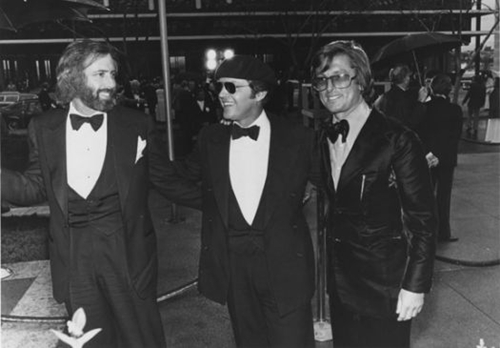
Robert Towne, Jack Nicholson and producer Robert Evans at the 1975 Oscars ceremony. Towne took home the Oscar for writing "Chinatown," perhaps the best neo-noir script ever written.

Robert Towne, Jack Nicholson and producer Robert Evans at the 1975 Oscars. Towne took home the Oscar for writing “Chinatown,” perhaps the best neo-noir script ever written.
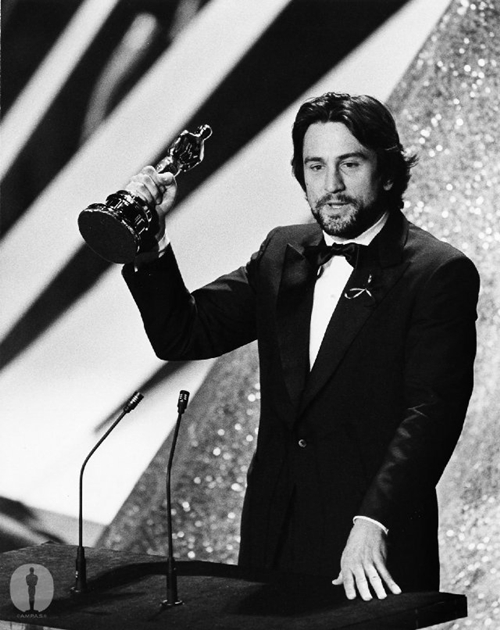
Robert DeNiro gives accepts his Best Actor Oscar for "Raging Bull" (1980) directed by Martin Scorsese, who grew up on classic noir and became a neo-noir master. The oft-subbed Scorsese finally won the directing gold for 2007's "The Departed."

Robert DeNiro accepts his Best Actor Oscar for “Raging Bull” (1980) directed by Martin Scorsese, who grew up on classic noir and became a neo-noir master. The oft-snubbed Scorsese finally won the directing gold for 2006’s “The Departed.” This was DeNiro’s second Oscar, having garnered Best Supporting Actor for “The Godfather Part II.”
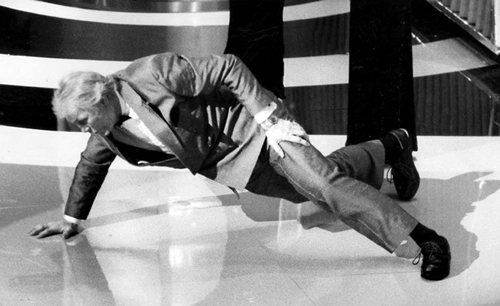
During his fourth decade in the movies, Jack Palance won Supporting Actor for his role as Curly in "City Slickers" (1991). His famous one-handed pushups onstage became a running joke with host Billy Crystal throughout the show. Our favorite Palance film-noir part: "Sudden Fear" (1952, David Miller) in which he co-starred with Joan Crawford and Gloria Grahame.

During his fourth decade in the movies, Jack Palance won Supporting Actor for his role as Curly in “City Slickers” (1991). His famous one-handed pushups onstage became a running joke with host Billy Crystal throughout the show. Our favorite Palance film-noir part: “Sudden Fear” (1952, David Miller) in which he co-starred with Joan Crawford and Gloria Grahame.
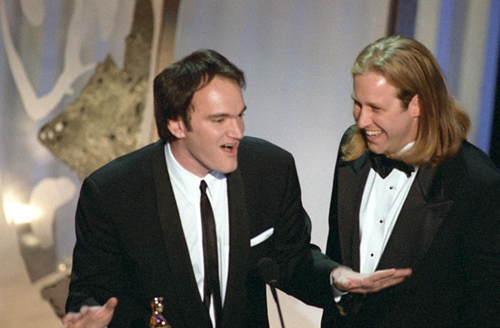
Quentin Tarantino and Roger Avary won the Oscar for writing "Pulp Fiction" (1994). It earned six other noms.

Quentin Tarantino and Roger Avary won the Oscar for writing “Pulp Fiction” (1994). It earned six other noms.
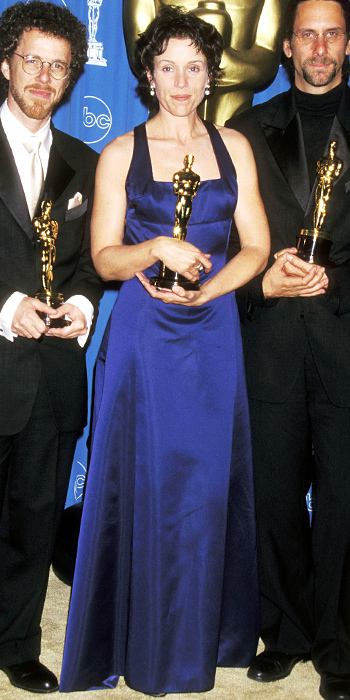
Frances McDormand hold her Best Actress Oscar for her work in 1996's "Fargo." Writer/director team Joel and Ethan Coen won for Best Original Screenplay. They went on to win writing and directing Oscars for 2007's "No Country for Old Men."

Frances McDormand hold her Best Actress Oscar for her work in 1996’s “Fargo.” Writer/director team Joel and Ethan Coen won for Best Original Screenplay. They went on to win writing and directing Oscars for the 2007 neo noir “No Country for Old Men.”

Film Noir File: Five stylish ’70s thrillers make must-see viewing

By Film Noir Blonde and Mike Wilmington

The Film Noir File is FNB’s guide to classic film noir, neo-noir and pre-noir on Turner Classic Movies (TCM). The times are Eastern Standard and (Pacific Standard). All films without a new review have been covered previously in Film Noir Blonde and can be searched in the FNB archives (at right).

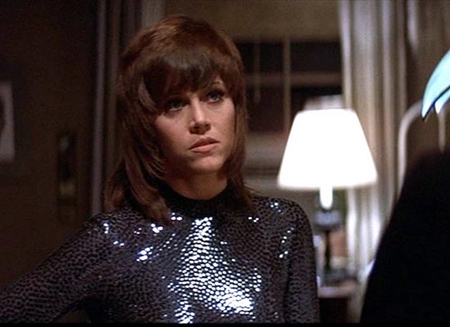
Jane Fonda won the Best Actress Oscar for her role in “Klute.”

Jane Fonda won the Best Actress Oscar for her role in “Klute.”

Saturday, Feb. 21

11 p.m. (8 p.m.): “Deliverance” (1972, John Boorman).

3:45 a.m. (12:45 p.m.): “Klute” (1971, Alan Pakula).

Sunday, Feb. 22

1 a.m. (10 p.m.): “Dog Day Afternoon” (1975, Sidney Lumet).

3:15 a.m. (12:15 a.m.): “Network” (1976, Sidney Lumet).

Monday, Feb. 23

12 a.m. (9 p.m.): “All the President’s Men” (1976, Alan Pakula). Burglary and other high crimes and misdemeanors in a soon-to-be-legendary Washington D. C. hotel called The Watergate turn out to be instruments of re-election for the Nixon White House in their no-holds-barred 1972 presidential campaign — as uncovered by two dogged, relentless Washington Post investigative reporters named Bob Woodward and Carl Bernstein (Robert Redford and Dustin Hoffman).

One of the best true crime movies ever: directed with neo-noir flair by Pakula, knowingly scripted by Oscar winner William Goldman (based on the Woodward-Bernstein book), with a first rate cast that includes Oscar winner Jason Robards (as crusty mandarin editor Ben Bradlee), Jack Warden, Martin Balsam, Hal Holbrook, Ned Beatty, Jane Alexander and F. Murray Abraham. Maybe the best and most accurate of all “inside” dramas on American journalism and politics.

Top reasons we love ‘Double Indemnity’

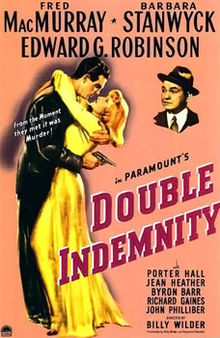
Double Indemnity poster

Yes, we’re still gushing about “Double Indemnity,” the film noir classic from 1944. And why not? It can still draw an audience, after all. ArcLight and the Skirball Cultural Center are showing “Double Indemnity” Monday night in Sherman Oaks.

Billy Wilder‘s great prototype film noir turns 71 this year and yet it never gets old. Starring Barbara Stanwyck, Fred MacMurray and Edward G. Robinson, the movie boasts a screenplay that Wilder co-wrote with Raymond Chandler, based on James M. Cain‘s novel, which was inspired by actual events.

Here’s why we hold the picture dear to our hearts, dearies.

14. As film noir historian and author Foster Hirsch once put it: “It’s the quintessential film noir. This is the mother lode, primary source film noir. It’s the basis for every film noir you’ve ever loved.”

13. Someone with the name Walter Neff turns out to be a tough guy.

12. All Walter has to do to escape punishment is sit tight. Yet, his ego drives him toward a final confrontation with his lover/partner in crime. He’s so damn human.

11. Barbara Stanwyck’s Phyllis Dietrichson is a fashion victim. She’s so damn human.

10. The first time Phyllis shows up at Walter’s apartment, she says she is returning his hat (which he supposedly left at her house) but the previous scene clearly shows him taking his hat as he leaves. Still, there’s so much tension between them, who cares?!

9. The door to Walter’s apartment opens the wrong way (it shields Phyllis on one of her visits) but you’re so caught up in the story you hardly notice.

As Billy Wilder acknowledged, no door in the world would open this way.

As Billy Wilder acknowledged, no door in the world would open this way.

8. You could buy Phyllis Dietrichson’s house for $30,000.

7. You could have a beer at a drive-in restaurant, served by a car-hop, no less.

6. The look of supreme satisfaction on Phyllis’s face at the moment her husband is murdered.

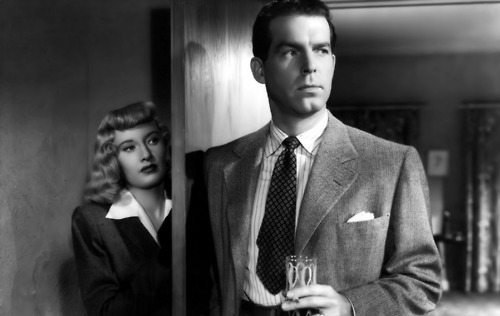
5. Stanwyck and MacMurray both took a risk and played against type.

4. Edward G. Robinson almost steals the show and it’s really a bromance between his character and MacMurray’s Walter Neff.

3. Raymond Chandler makes a cameo appearance, about 16 minutes into the movie, at Walter’s office building.

2. It’s perfectly paced – you can watch it over and over and it moves along lickety split every time, leaving you wanting more.

1. It truly ranks as a classic flick – it’s as fresh, sexy and funny today as it was in 1944. The writing, acting, directing cinematography, lighting, art direction are matchless.

Do you love “Double Indemnity” as much as we do? Then let us know!

Film Noir File: A star-studded week of Oscar darkness

By Film Noir Blonde and Mike Wilmington

The Film Noir File is FNB’s guide to classic film noir, neo-noir and pre-noir on Turner Classic Movies (TCM). The times are Eastern Standard and (Pacific Standard). Films listed without a review can be searched in the FNB archive on the right side of the page.

Pick of the Week

A Place in the Sun” (1951, George Stevens). Friday, Feb. 13, 2:15 a.m. (11:15 p.m.).

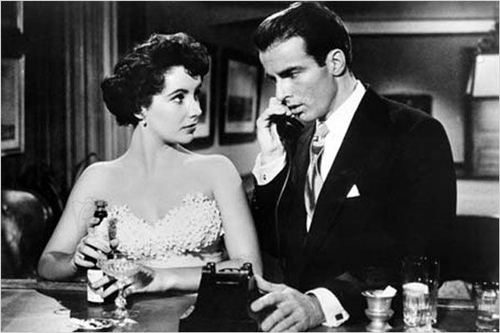
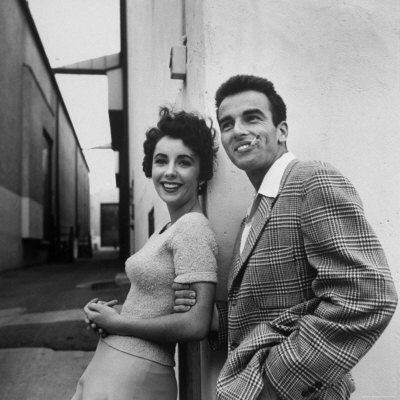
Elizabeth Taylor as Angela and Montgomery Clift as George are one of the most ravishing star couples of the American cinema.

Elizabeth Taylor as Angela and Montgomery Clift as George are one of the most ravishing star couples of the American cinema.

George Stevens’ adaptation of Theodore Dreiser’s classic crime novel “An American Tragedy.” It’s a melancholy look at a rising young working-class guy named George Eastman, who seems on the path to riches and romance, but whose dark impulses bend him toward destruction.

A great critical favorite in its time and still highly influential, “Place in the Sun” is a moody masterpiece about the wayward side of the American dream. Stevens’ movie also showcases one of the most ravishing (and ultimately sad) star couples of the American cinema: Montgomery Clift as George and Elizabeth Taylor as his dream, Angela. Also in the cast: film noir mainstays Shelley Winters and Raymond Burr.

Taylor and Clift were close friends off the screen as well.

Taylor and Clift were close friends off the screen as well.

Among the picture’s six Academy Awards were Oscars for Stevens’ direction and to screenwriters Michael Wilson and Harry Brown.

Thursday, Feb. 12
9:30 p.m. (6:30 p.m.) “The Third Man” (1949, Carol Reed).

5:30 a.m. (2:30 a.m.): “The Lavender Hill Mob” (1951, Charles Crichton).

Friday, Feb. 13
9 a.m. (6 a.m.): “The Picture of Dorian Gray” (1945. Albert Lewin).

11 a.m. (8 a.m.): “The Bad Seed” (1956, Mervyn LeRoy).

1:15 p.m. (10:15 a.m.): “What Ever Happened to Baby Jane?” (1962, Robert Aldrich).

3:45 p.m. (12:45 p.m.): “The Birds” (1963, Alfred Hitchcock).

Saturday, Feb. 14
8:45 p.m. (5:45 p.m.): “The Harder They Fall” (1956, Mark Robson).
2:45 a.m. (11:45 p.m.): “The Blackboard Jungle” (1955, Richard Brooks).
4:45 a.m. (1:45 a.m.): “The Man with the Golden Arm” (1955, Otto Preminger).

Sunday, Feb. 15 (Film Noir Day)
7 a.m. (4 a.m.): “Johnny Eager” (1941, Mervyn LeRoy).
9 a.m. (6 a.m.): “T-Men” (1948, Anthony Mann).
10:45 a.m. (7:45 a.m.): “The Naked City” (1948, Jules Dassin).
12:30 p.m. (9:30 a.m.): “The Asphalt Jungle” (1950, John Huston).
2:30 p.m. (11:30 a.m.): “The Blue Dahlia” (1946, George Marshall).
4:15 p.m. (1:15 p.m.): “The Maltese Falcon” (1941, John Huston).
6 p.m. (3 p.m.): “Key Largo” (1948, John Huston).
11 p.m. (8 p.m.): “The Defiant Ones” (1958, Stanley Kramer).

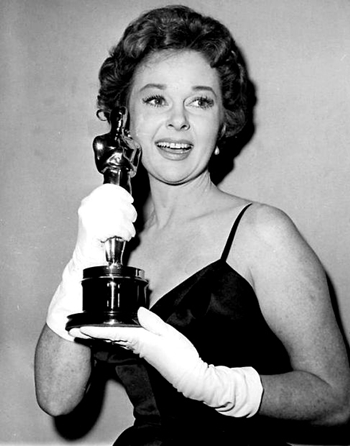
Susan Hayward with her Oscar.

Susan Hayward with her Oscar.

1 a.m. (10 p.m.): “I Want to Live!” (1958, Robert Wise). Susan Hayward won her Oscar for playing Barbara Graham, a real-life hard-nosed San Francisco prostitute. Graham was convicted of murder and facing the gas chamber.

But, according to Frisco crime reporter Ed Montgomery (played in this movie by “Psycho’s” psychiatrist Simon Oakland), she was innocent, the framed victim of a faulty justice system.

This riveting chronicle proves that Wise, a great favorite of French noir expert and Hollywood film aficionado Jean-Pierre Melville, was an absolute master of crime movies. The images are searing black and white. The acting is tough, smart, pungent. The jaunty modern jazz score is by Johnny Mandel, with the formidable Gerry Mulligan on baritone sax.

The ending is wrenching, unforgettable. So is Hayward.

Monday, Feb. 16
8 p.m. (5 p.m.): “Anatomy of a Murder” (1959, Otto Preminger).

Psycho poster 214Tuesday, Feb 17 (Crime Day)
7:30 a.m. (4:30 a.m.): “Fury” (1936, Fritz Lang).
9:15 a.m. (6:15 a.m.): “Monsieur Verdoux” (1947, Charles Chaplin & Robert Florey).
11:30 a.m. (8:30 a.m.): “Big Deal on Madonna Street” (1958, Mario Monicelli).
1:45 p.m. (10:45 a.m.) “In Cold Blood” (1967, Richard Brooks).
4:15 p.m. (1:15 p.m.): “The Thomas Crown Affair” (1968, Norman Jewison).
6 p.m. (3 p.m.): “Bullitt” (1968, Peter Yates).
12 a.m. (9 p.m.): “Psycho” (1960, Alfred Hitchcock).

Wednesday, Feb. 18
8 p.m. (5 p.m.): “The Apartment” (1960, Billy Wilder).
12:30 a.m. (9:30 p.m.): “The Hustler” (1961, Robert Rossen).
5:15 a.m. (2:15 a.m.): “Lolita” (1962, Stanley Kubrick).

‘Thelma Jordon’ shows Stanwyck at near her bad-best

The File on Thelma Jordon/1950/Paramount Pictures/100 min.

By Michael Wilmington

“The File on Thelma Jordon” plays at 8 p.m. Thursday, Feb. 12, at the Skirball Cultural Center, the final film in The Intriguante—Women of Intrigue in Film Noir series.

The File on Thelma Jordon posterBarbara Stanwyck, one of the smartest and toughest of all the classic Hollywood femmes fatales, was terrific at playing earthy babes who knew their way around a bedroom – and sometimes a courtroom or an insurance office as well. She made a schnook out of policy-seller Fred MacMurray in “Double Indemnity.” She put Van Heflin and Kirk Douglas through the wringer in “The Strange Love of Martha Ivers.”

And, as the hard-boiled man-killer in “The File on Thelma Jordon,” she gives the business to the seemingly solid and non-malleable Wendell Corey, playing a district attorney named Cleve Marshall. The DA draws the touchy assignment of prosecuting Thelma for the murder of her elderly, very wealthy aunt.

Paul Kelly plays Cleve’s suspicious buddy, Joan Tetzel his not-suspicious-enough wife. Stanwyck, of course, is the gal who arouses those suspicions as well as a lot of good old-fashioned Golden Age Hollywood desire.

Corey (marvelous as a psycho in Budd Boetticher’s 1956 budget noir thriller “The Killer is Loose”) is surprisingly effective in “Thelma Jordon” as a straight-arrow guy. He’s tough and savvy, sure, but Thelma bends him like a Charleston Chew.

Barbara Stanwyck was never bashful about playing bad girls or loose women or even murderesses.

Barbara Stanwyck was never bashful about playing bad girls or loose women or even murderesses.

Stanwyck eats parts like this (and guys like this) for lunch. She was one Hollywood star who was never bashful about playing bad girls or loose women or even murderesses. She always knew just the right touch of acid (or whiskey) to drop into her milk and honey come-ons.

Thelma Jordon doesn’t sport a nasty-girl blonde wig like Stanwyck’s Phyllis Dietrichson in “Double Indemnity,” but she’s adept at skirting the law and lawyers. First a scheming opportunist who keeps very bad company, then an adulteress and finally a woman accused of an awful murder, Thelma’s a real dark-side knockout.

The movie’s director is one of the authentic masters of film noir: the great German émigré and expressionist puppeteer of twisted people and sinister streets, Robert Siodmak (“The Killers,” “Criss Cross,” “Phantom Lady”). Siodmak is visually right in his element here. Working with classy cinematographer George Barnes (“Spellbound”), he pulls us into an inky cinematic pool of psychological havoc and guilt.

The writer of “Thelma Jordon,” Ketti Frings, was no stranger to noir either, having penned thrillers such as “Guest in the House,” “The Accused” and “Dark City.” (Eventually she won a Pulitzer Prize for her stage version of Thomas Wolfe’s novel “Look Homeward Angel.”) Here, she shows Thelma spinning her webs, Cleve flying into them and everything getting darker and deadlier. And damned if Frings, Siodmak and Stanwyck don’t get some sympathy for Thelma as well.

This is Stanwyck at near her bad-best, Siodmak at his darkest and most Teutonically stylish. No, I don’t know why they spell Jordon with two “o’s.” But, like Wendell Corey, I won’t argue with the lady, especially when the lights go down.

Skirball Cultural Center shows ‘The File on Thelma Jordon’ starring the grande dame of film noir

The Intriguante—Women of Intrigue in Film Noir series at the Skirball Cultural Center continues at 8 p.m. Thursday, Feb. 12, with a movie starring the grande dame of film noir: Barbara Stanwyck.

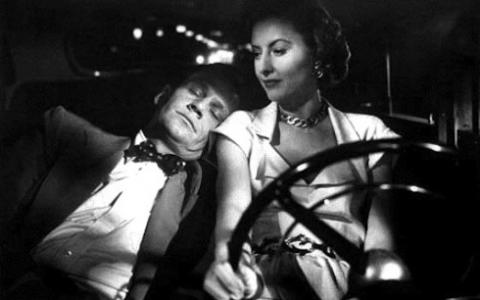
Thelma Jordon (Barbara Stanwyck) asks: Why evade the law when you can simply seduce a lawman?

Thelma Jordon (Barbara Stanwyck) asks: Why bother to evade the law when you can simply seduce a lawman? Wendell Corey plays her snoozing companion.

In “The File on Thelma Jordon” (1950, Robert Siodmak), a film-noir melodrama, Stanwyck’s Thelma is a woman with a past and an ex-boyfriend who convinced her walk on the bad side. But rather than try to evade the law, she decides instead to seduce a married district attorney (Wendell Corey). When Thelma’s aunt is murdered, the DA is definitely the dude to have on her side. Still, guilt has a way of getting the best of a person, and it even gets to the cool, clever and mightily destructive Ms. Jordon.

Siodmak’s crisp, stylish directing paired with a tight script and Stanwyck’s powerful characterization make “The File on Thelma Jordon” a delightful big-screen treat.

Six years before “Thelma Jordon,” Stanwyck made “Phantom Lady” with Siodmak. Of course, one of Stanwyck’s most famous roles was as the murderous Phyllis Dietrichson in 1944’s “Double Indemnity,” directed by Billy Wilder.  Stanwyck and co-star Fred MacMurray took a risk by playing such dark characters in that they might alienate their fan base. But the risk paid off and they proved remarkably capable of playing a range of roles.

The exhibitions close on Sunday, March 1.

The exhibitions close on Sunday, March 1.

Stanwyck went on to star in many more film-noir titles, including “The Strange Love of Martha Ivers,” “The Two Mrs. Carrolls,” “Sorry, Wrong Number,” “No Man of Her Own,” “Clash by Night,” and “Crime of Passion.”

Admission is $10 general; $7 seniors and full-time students; $5 members. The exhibitions Light & Noir: Exiles and Émigrés in Hollywood, 1933–1950 and The Noir Effect will remain open until 8 p.m.

The exhibitions close on Sunday, March 1. If you haven’t seen them yet, what are you waiting for?! At 11 a.m. on March 1, the center will screen the PBS documentary Cinema’s Exiles: From Hitler to Hollywood, which explores the impact of movie icons such as Wilder, Fritz Lang, Fred Zinnemann and Marlene Dietrich.

Remembering Lizabeth Scott, a film noir stalwart

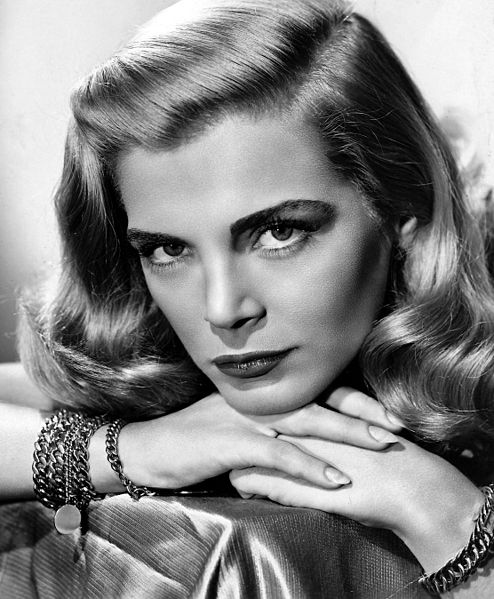
Lizabeth Scott was born Emma Matzo on Sept. 29, 1922, in Scranton, Pa.

Lizabeth Scott was born Emma Matzo on Sept. 29, 1922, in Scranton, Pa.

Actress Lizabeth Scott died Jan. 31 of congestive heart failure at Cedars-Sinai Medical Center in Los Angeles. She was 92.

Dead_Reckoning poster

Scott was born Emma Matzo on Sept. 29, 1922, in Scranton, Pa., one of six children. Her parents emigrated from the Ukraine.

Sculpted, slim and statuesque, Scott was a film noir stalwart, known for such classics as “Dead Reckoning,” “Pitfall andThe Strange Love of Martha Ivers.” Other notable ’40s flicks include: “Desert Fury,” “I Walk Alone,”  “Too Late for Tears” and “The Racket.”

Scott tended to play alluring, brassy girls who lived by their wits and worldly charms, having been born on the wrong side of the tracks. That said, she was equally adept at portraying tough cookies who revealed hearts of gold. Underrated in her time, she was able to lend complexity to many of her roles.

Simply put, she was a trooper.  Her other credits include: “Easy Living,” “Paid in Full,” “Dark City,” “The Company She Keeps,” “Two of a Kind,” “Red Mountain,” “A Stolen Face,” “Scared Stiff,” “Bad for Each Other” and “Silver Lode.”

You can read a full obituary here.

Film Noir File: Siodmak’s ‘The Killers’ is a must-see heist film, Hemingway style

By Film Noir Blonde and Mike Wilmington

The Film Noir File is FNB’s guide to classic film noir, neo-noir and pre-noir on Turner Classic Movies (TCM). All movies below are from the schedule of TCM, which broadcasts them uncut and uninterrupted. The times are Eastern Standard and (Pacific Standard).

Pick of the Week

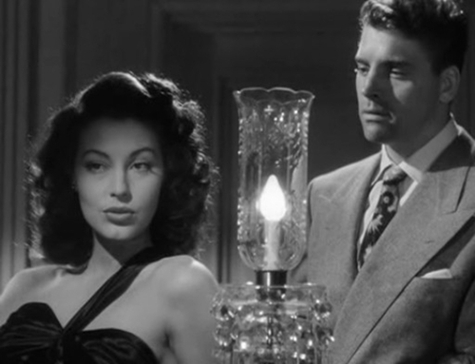
Burt Lancaster instantly falls for Ava Gardner in “The Killers.”

Burt Lancaster instantly falls for Ava Gardner in “The Killers.”

The Killers” (1946, Robert Siodmak). Tuesday, Feb. 10, 10:15 p.m. (7:15 p.m.). Of all film noir’s femmes fatales, Ava Gardner as Kitty Collins in “The Killers” ranks as the most devastatingly efficient. She doesn’t waste time chit-chatting or getting to know a guy. Just a glance gets them hooked and firmly planted in the palm of her hand. “Swede” Andreson (Burt Lancaster) takes all of 10 seconds to fall for her and then get lured into “a double-cross to end all double-crosses.” Read the full review here.

Saturday, Feb. 7

11:45 p.m. (8:45 p.m.): “Citizen Kane” (1941, Orson Welles). A dark look at the sensational, profligate life of one of the world’s most powerful and egotistical newspaper magnates, the late Charles Foster Kane (modeled on William Randolph Hearst and acted by George Orson Welles). Still the greatest movie of all time, it’s also a virtual lexicon of film-noir visual and dramatic style, as seminal in its way as “The Maltese Falcon” or “M.” Scripted by Welles and one-time Hearst crony Herman Mankiewicz, photographed by Gregg Toland, with music by Bernard Herrmann and ensemble acting by the Mercury Players: Welles, Joseph Cotten, Everett Sloane, Dorothy Comingore, Agnes Moorehead, George Coulouris, Ruth Warrick, Paul Stewart, et al.

Sunday, Feb. 8

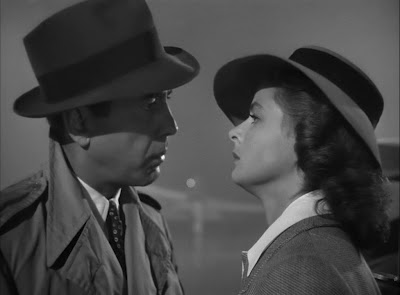
Bogart and Bergman play Rick and Ilsa, who are perhaps Hollywood’s most famous on-screen lovers.

Bogart and Bergman play Rick and Ilsa, who are perhaps Hollywood’s most famous on-screen lovers.

10 p.m. (7 p.m.): “Casablanca” (1942, Michael Curtiz).

12 a.m. (9 p.m.): “Gaslight” (1944, George Cukor). Set in foggy Victorian gas-lit London, this is the best of all the melodramas and noirs where a bad husband tries to drive his wife insane (or vice versa). Here, Charles Boyer gives the treatment to Oscar-winner Ingrid Bergman. Joseph Cotten, Dame May Whitty and teenage Angela Lansbury are among the bystanders. Based on the Patrick Hamilton stage play (and film) “Angel Street.”

Monday, Feb. 9

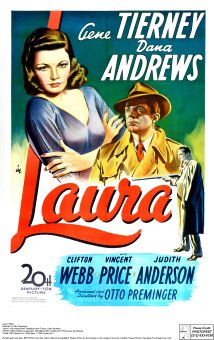
Laura poster 2141 a.m. (10 p.m.): “Laura” (1944, Otto Preminger).

3 a.m. (12 a.m.): “Mildred Pierce” (1945, Michael Curtiz).

Tuesday, Feb. 10

7 a.m. (4 a.m.): “Julie” (1956, Andrew L. Stone). The same year she sang “Que Sera, Sera” for Hitchcock as the menaced mom in Hitch’s remake of “The Man Who Knew Too Much,” Doris Day played a comely stewardess stalked by her psycho ex-husband, Louis Jourdan, in this lady-in-distress thriller from the poor man’s Hitchcock, Andrew Stone.

9 a.m. (6 a.m.): “Crossfire” (1947, Edward Dmytryk).

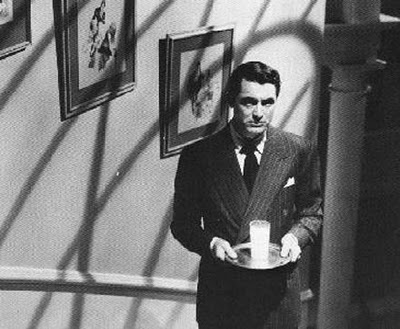
10:30 a.m. (7:30 a.m.): “Suspicion” (1941, Alfred Hitchcock).

12:30 p.m. (9:30 a.m.): “Mystery Street” (1950, John Sturges). A good, smart police procedural, set partly at Harvard University, with a homicide cop and forensic scientist (Ricardo Montalban and Bruce Bennett), trying to crack a murder with sexual overtones.

Cary Grant was Hitch’s favorite actor.

Cary Grant was Hitch’s favorite actor.

2:15 p.m. (11:15 a.m.): “The Fallen Idol” (1948, Carol Reed). In 1948, a year before they made the nonpareil thriller “The Third Man,” director Carol Reed and screenwriter Graham Greene collaborated on another tilted-camera film-noir classic: this mesmerizing story of a French diplomat’s son(Bobby Henrey) , who hero-worships the embassy butler (Ralph Richardson). The boy mistakenly comes to believe his idol has murdered his wife and keeps unintentionally incriminating him. With Michele Morgan, Jack Hawkins and Bernard Lee. Stunning cinematography by Georges Perinal.

4 p.m. (1 p.m.): “After The Thin Man” (1936, W. S. Van Dyke). The first of many sequels to the smash hit 1934 movie of Hammett’s last novel “The Thin Man,” with William Powell and Myrna Loy as the peerlessly witty and stylishly sloshed Nick and Nora Charles. Here, they visit Nora’s San Francisco cousin and investigate a string of murders among her rich elite family. With Jimmy Stewart in one of his most atypical roles.

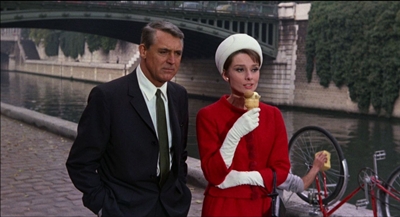
6 p.m. (3 p.m.): “Charade” (1963, Stanley Donen). Director Donen and screenwriter Peter Stone’s lush, polished and witty Hitchcock imitation stars Hitch’s favorite actor Cary Grant in perhaps his most Cary Grantian performance. Here, he’s a romantic detective/spy (or is he?) in an ultra-posh comedy thriller co-starring Audrey Hepburn, at her most winsomely, delicately beautiful. The movie, probably Donen’s best-loved after his great musicals “Singin’ in the Rain” and “Funny Face,” seems to be composed of equal parts of “North by Northwest,” “Notorious,” “To Catch a Thief” and Donen’s own Cary Grant movies (like “Indiscreet” and “The Grass is Greener”), with a dash of ’60s New Wave sauce and sass.

Cary Grant (shown with Audrey Hepburn) is one of FNB’s favorite actors.

Cary Grant (shown with Audrey Hepburn) is one of FNB’s favorite actors.

The movie couldn’t exist without Grant, who, mostly in a very Hollywoodish Paris, woos lady-in-distress Audrey (or does she woo him?). Both of them are threatened by a stellar band of villains and nemeses that includes Walter Matthau, James Coburn, George Kennedy and Ned Glass. The moody title song (Henry Mancini /Andy Williams) earned an Oscar nom. No Oscars went to Grant, of course. The next year, while picking up his Academy Award for writing the Grant comedy vehicle “Father Goose,” Stone said, “Cary just keeps winning these things for other people.”

Wednesday, Feb. 11

Treasure of the Sierra Madre poster8 p.m. (5 p.m.): “All the King’s Men” (1949, Robert Rossen).

2 a.m. (11 p.m.): “The Treasure of the Sierra Madre” (1948, John Huston). “Treasure” is perhaps the finest work by writer-director (and here, for the first time, actor), John Huston. It’s a supreme western noir and one of the great Humphrey Bogart pictures.

Bogart is Fred C. Dobbs, a down and out American in 1925 in Tampico, Mexico, who hooks up with two other Yanks: tough but decent Bob Curtin (Tim Holt) and fast-talking, grizzled, expert prospector Howard (John’s father Walter Huston; he won the Oscar). The three treasure hunters strike gold in the Sierra Madre mountains, but they also hit a vein of darkness: the discord and violence that sudden riches can bring.

Happy birthday, Ida Lupino!

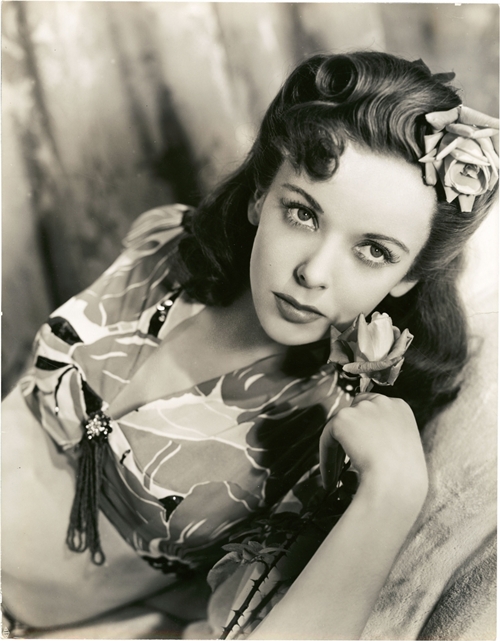
Ida Lupino in halterIda Lupino was born Feb. 4, 1918 in London and died, age 77, on Aug. 3, 1995 in Los Angeles.

Says the New Yorker’s Richard Brody on Lupino: “As an independent producer, director and screenwriter, she exercised an exceptional degree of authority over her films, and it shows in their coherence, consistency and originality.”

Film Noir File: A Tuesday trio on TCM

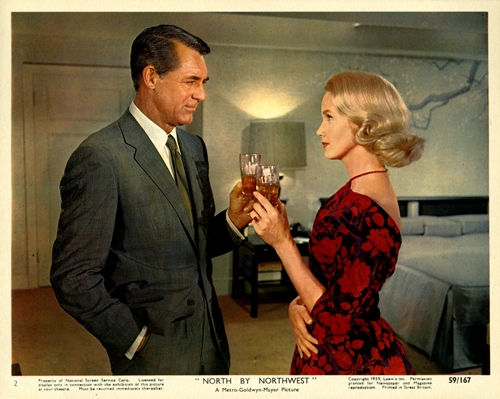
Cary Grant and Eva Marie Saint share a swanky cocktail.

Cary Grant and Eva Marie Saint share a swanky cocktail.

By Film Noir Blonde and Mike Wilmington

The Film Noir File is FNB’s guide to classic film noir, neo-noir and pre-noir on Turner Classic Movies (TCM). All movies below are from the schedule of TCM, which broadcasts them uncut and uninterrupted. The times are Eastern Standard and (Pacific Standard).

Tuesday, Feb. 3

3:15 p.m. (12:15 p.m.): “Foreign Correspondent” (1940, Alfred Hitchcock).

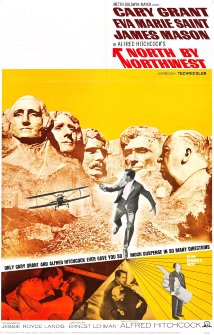
North by Northwest poster5:30 p.m. (2:30 p.m.): “North by Northwest” (1959, Alfred Hitchcock). One of Hitchcock’s two great spy-chase thrillers (the other is “The 39 Steps”), “North by Northwest” follows a suave but beleaguered Manhattan advertising executive (Cary Grant), who’s mistaken for a spy who doesn’t exist, charged with a murder he didn’t commit, pursued by bad guys (James Mason, Martin Landau) whose machinations bewilder him. Oh and he’s involved with a blonde beauty (Eva Marie Saint) who may want him dead. And then there’s that pesky crop-dusting plane “dustin’ where there ain’t no crops.” One of the best, most typical and most beautifully made Hitchcocks. Ingeniously scripted by Ernest Lehman.

12:45 a.m. (9:45 p.m.): “The Thin Man” (1934, W. S. Van Dyke). The first and best of all the plush M.G.M. films in which William Powell and Myrna Loy played Nick and Nora Charles, the slightly pixilated and urbanely witty couple who alternated screwball romps with tough, brainy detective work, solving murders and finishing champagne bottles with equal flair. That golden couple was inspired by the relationship between Dashiell Hammett and his longtime companion, playwright/screenwriter Lillian Hellman.

This is the only one of the Thin Man movies actually based on a Hammett novel. The adaptor/scenarists were another witty couple, Frances Goodrich and Albert Hackett (“It’s a Wonderful Life”). The supporting cast includes Maureen O’Sullivan and Cesar Romero.